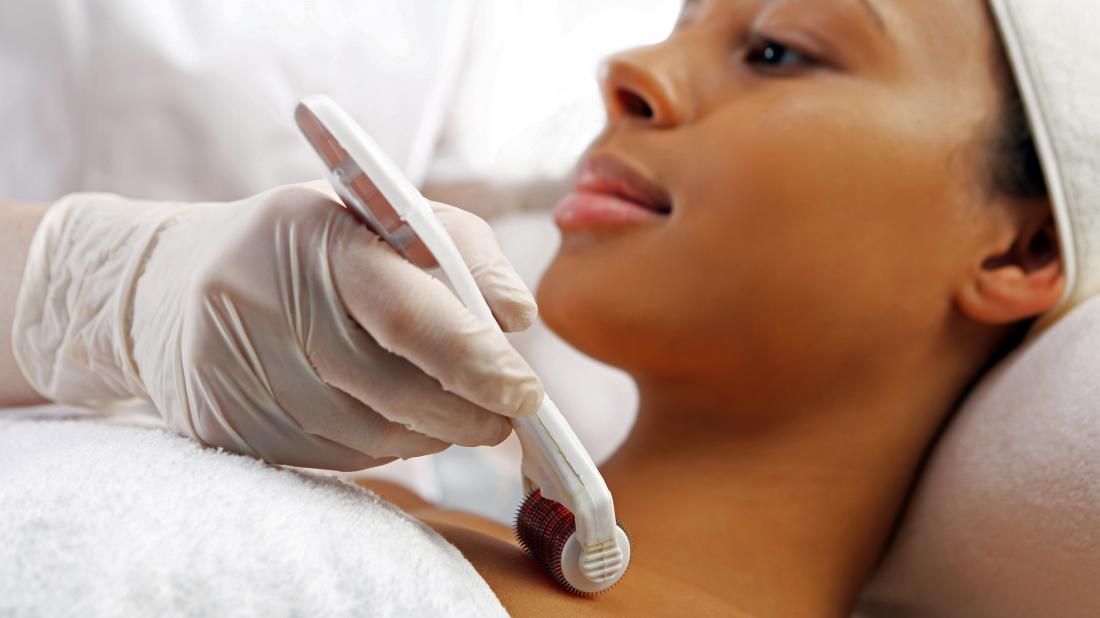
Microneedling has emerged as a popular skincare treatment, known for its ability to rejuvenate the skin and address various concerns. As an innovative procedure, it utilizes tiny needles to create controlled skin injuries, promoting the body’s natural healing process. This results in increased collagen production and improved skin texture. While the treatment has gained popularity, many questions still arise regarding its process, benefits, and safety. This comprehensive guide aims to address the most common inquiries surrounding microneedling.
What Is Microneedling?
Microneedling is a minimally invasive cosmetic procedure that involves the use of a device with fine needles to puncture the skin. These micro-injuries trigger the skin’s repair mechanisms, leading to the production of collagen and elastin, essential proteins for healthy and youthful skin.
Benefits of Microneedling
- Improves skin texture and tone
- Reduces the appearance of scars and stretch marks
- Minimizes pore size
- Diminishes fine lines and wrinkles
- Enhances the efficacy of topical skincare products
What to Expect During a Microneedling Session?
During a microneedling session, a professional will cleanse your skin and apply a numbing cream to minimize discomfort. The procedure itself can last between 15 to 30 minutes, depending on the treatment area. Post-procedure, the skin may appear red and slightly swollen, similar to a mild sunburn, but this typically subsides within a few days.
Is Microneedling Safe?
When performed by a trained professional, microneedling is generally considered safe. However, it is crucial to follow post-treatment care instructions provided by your practitioner to ensure optimal results and minimize risks. It is advisable to avoid sun exposure, refrain from using harsh skincare products, and maintain proper hygiene to prevent infection.
Who Can Benefit from Microneedling?
Microneedling is suitable for various skin types and tones. It is particularly beneficial for individuals looking to treat:
- Acne scars
- Hyperpigmentation
- Sun damage
- Skin laxity
How Many Sessions Are Required?
The number of sessions needed varies based on individual skin concerns and desired results. Typically, a series of 3 to 6 treatments is recommended, spaced about 4 to 6 weeks apart. A qualified skin specialist can provide a personalized treatment plan tailored to specific needs.
Can Microneedling Be Combined with Other Treatments?
Yes, microneedling can be effectively combined with other treatments to enhance results. Popular combinations include microneedling with Platelet-Rich Plasma (PRP) or chemical peels. It is important to consult with a skincare professional to determine the best treatment combination for your skin.
Potential Side Effects and Aftercare
While microneedling is generally safe, some individuals may experience mild side effects such as:
- Redness and swelling
- Minor bruising
- Peeling
To ensure a smooth recovery, it is important to:
- Follow the aftercare instructions provided by your professional
- Stay hydrated and maintain a healthy diet to support skin healing
- Avoid direct sun exposure and use a broad-spectrum sunscreen
- Refrain from using makeup for at least 24 hours post-treatment
Conclusion
Microneedling is a versatile and effective treatment for those looking to rejuvenate their skin and address various concerns. By understanding the procedure, benefits, and aftercare, individuals can make informed decisions about incorporating microneedling into their skincare regimen. For those interested in exploring this treatment further, consulting with a qualified skincare professional is a beneficial first step.