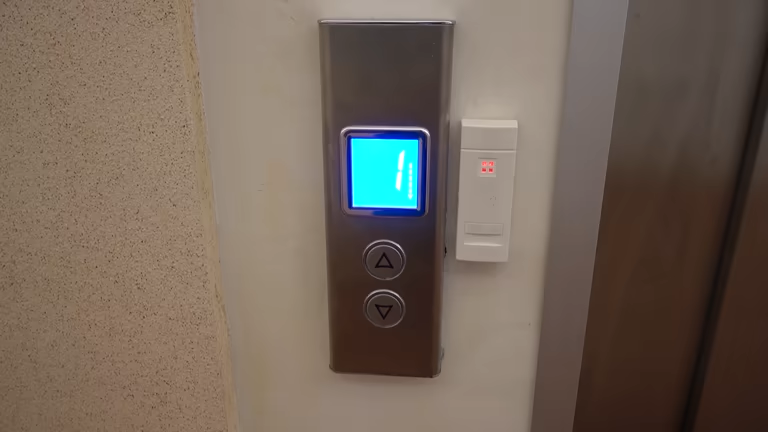
In modern buildings, efficient vertical transportation is crucial for enhancing user experience and operational efficiency. A pivotal component of this system is the elevator control panel, which ensures seamless navigation and accessibility across various floors. As buildings become more complex and user demands increase, the need for advanced elevator control panel solutions becomes increasingly apparent. These solutions not only improve building navigation but also enhance safety, accessibility, and energy efficiency.
Understanding the Role of Elevator Control Panels
Elevator control panels serve as the interface between users and elevator systems. They are responsible for:
- Facilitating the selection of floors and other operational commands.
- Displaying current floor levels and directional indicators.
- Ensuring user safety through alarm buttons and emergency communication systems.
With technological advancements, the control panel for elevator has evolved from simple button layouts to complex digital interfaces with integrated software solutions.
Innovations Driving Modern Elevator Control Panels
Smart Technology Integration
The integration of smart technology in elevator control panels has revolutionized building navigation:
- Touchscreen displays provide a more intuitive user experience.
- Internet of Things (IoT) connectivity allows for real-time monitoring and diagnostics.
- Smart sensors contribute to adaptive traffic management, reducing wait times and energy consumption.
Enhanced Accessibility Features
Modern control panels are designed with inclusivity in mind, ensuring they cater to users with diverse needs:
- Braille and raised numerals for visually impaired users.
- Audible announcements and indicators for better orientation.
- Customizable height installations to accommodate wheelchair users.
Benefits of Advanced Elevator Control Systems
Safety and Reliability
Safety is paramount in elevator design. Advanced control panels contribute to a safer environment through:
- Integrated alarm and communication systems that allow users to contact emergency services or building management.
- Regular system updates to improve operational reliability and security.
- Automated diagnostic checks that preemptively identify and resolve potential issues.
Energy Efficiency
In addition to improving user experience, modern elevator control panels also focus on sustainability:
- Energy-saving modes that optimize power usage during low traffic periods.
- Regenerative drives that convert kinetic energy back into electricity.
- Smart scheduling systems that minimize unnecessary trips.
Conclusion
The evolution of elevator control panel solutions underscores the importance of integrating advanced technologies in building management. By enhancing safety, accessibility, and energy efficiency, these systems significantly improve the user experience and operational efficiency of modern buildings. As the demand for smarter infrastructure continues to grow, the role of sophisticated elevator control panels will remain integral to shaping the future of urban mobility.