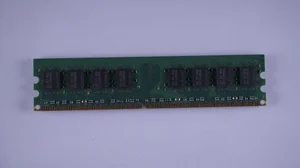
In today’s fast-paced digital landscape, enterprise memory solutions play a pivotal role in ensuring the efficiency and reliability of data management systems. As organizations continue to grow and require more robust data processing capabilities, understanding the nuances of memory solutions becomes crucial. This guide provides an extensive overview of enterprise memory solutions, offering insights into different types, benefits, and implementation strategies. Whether you are looking to optimize existing infrastructure or set up a new system from scratch, the following information will furnish you with the necessary knowledge to make informed decisions.
Understanding Enterprise Memory Solutions
Enterprise memory solutions are designed to support the complex and varied needs of businesses. These solutions cater to high-performance computing environments, data centers, and large-scale operations. Here are some key aspects to consider:
- Scalability: The ability to expand memory resources as business needs grow.
- Reliability: Ensuring data integrity and availability at all times.
- Performance: Enhancing processing speeds for better efficiency.
- Cost-effectiveness: Balancing quality with budget constraints.
For a deeper dive into these elements, find out more about this approach.
Types of Enterprise Memory Solutions
Dynamic Random Access Memory (DRAM)
DRAM is a common type of volatile memory used in computing systems. It is known for its speed and efficiency in handling active data and applications. Key benefits include:
- High-speed data access
- Cost-effectiveness for large volumes
- Minimal power consumption
For more details on DRAM applications, explore advanced guides and tips.
Non-Volatile Memory (NVM)
NVM solutions, such as Flash memory and SSDs, retain data even when the power is turned off. They offer:
- Data persistence without power
- Faster boot times and application launch
- Durability and longevity
To understand the implementation of NVM, discover expert strategies here.
Implementing Memory Solutions in Enterprise Environments
Successful implementation of memory solutions requires careful planning and assessment of organizational needs. Considerations include:
- Analyzing workload requirements and data processing needs
- Choosing the right balance between volatile and non-volatile memory
- Ensuring compatibility with existing systems
- Regularly updating and maintaining memory infrastructure
To learn about tailored solutions for your enterprise, learn about our tailored solutions.
Benefits of Optimized Memory Solutions
Optimizing memory solutions can lead to significant improvements across various operational aspects:
- Enhanced system performance and user experience
- Reduced operational costs due to efficient resource utilization
- Increased scalability to accommodate future growth
- Improved data security and reliability
For comprehensive insights into optimizing memory solutions, explore advanced guides and tips.
Conclusion
Enterprise memory solutions are integral to the performance and success of modern businesses. By understanding the different types available, their benefits, and implementation strategies, organizations can make informed decisions that align with their operational goals. For further guidance and expert insights, find out more about this approach. Efficient memory solutions not only enhance productivity but also provide a competitive edge in today’s digital era.