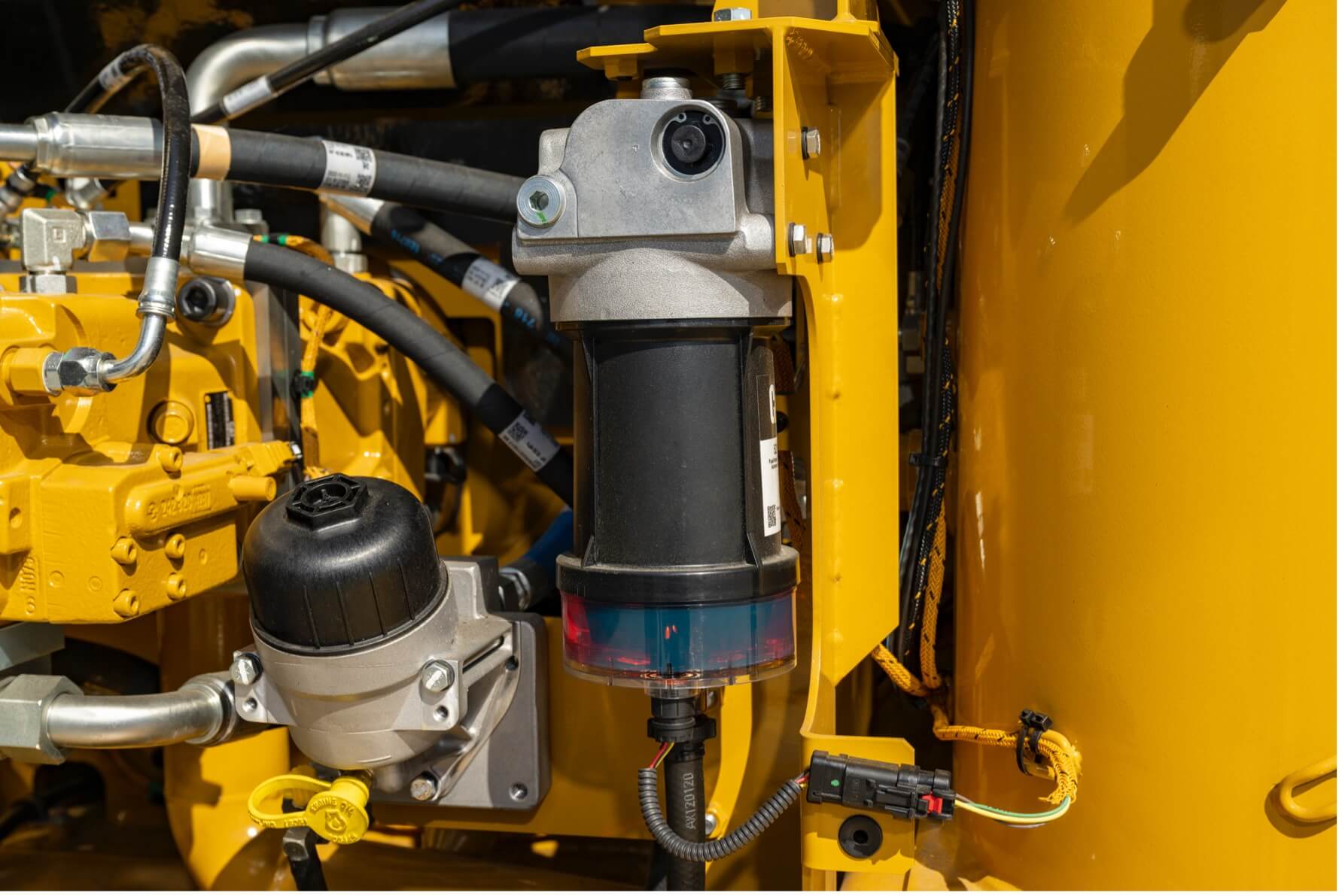
Hydraulic systems are integral to a multitude of industries, providing the muscle behind heavy machinery, construction equipment, and more. The efficiency and longevity of these systems rely heavily on meticulous maintenance practices. Effective maintenance not only extends the lifespan of hydraulic equipment but also ensures operational safety and reliability. This guide delves into essential maintenance strategies that can significantly enhance the performance and durability of hydraulic systems.
Understanding Hydraulic Equipment
Hydraulic systems operate on the basic principle of transmitting force through a fluid. These systems utilize components such as pumps, valves, cylinders, and motors. Understanding the function of each component is vital for maintaining the entire system efficiently.
Key Components of Hydraulic Systems
- Pumps: Convert mechanical energy into hydraulic energy.
- Valves: Control the flow and pressure of the hydraulic fluid.
- Hydraulic lift cylinder: Converts hydraulic energy back into mechanical energy for lifting operations.
- Motors: Provide the necessary force for the system’s operation.
Routine Maintenance Practices
Regular maintenance is crucial for preventing costly repairs and downtime. Implementing a schedule for routine checks can help in early detection of potential issues.
Essential Maintenance Steps
- Fluid Checks: Regularly inspect and replace hydraulic fluid to prevent contamination and ensure optimal performance.
- Filter Replacement: Clogged filters can lead to system inefficiencies. Ensure timely replacement to maintain fluid purity.
- Seal Inspection: Inspect seals regularly to avoid leaks, which can lead to performance losses.
- Component Examination: Regularly check the condition of hydraulic lift components for wear and tear.
Advanced Maintenance Techniques
For optimal performance, advanced maintenance techniques should be employed alongside routine practices. These techniques can prevent major failures and enhance the lifespan of the system.
Predictive Maintenance
Utilizing technology to predict when maintenance should be performed can save time and resources. Implementing predictive maintenance can:
- Reduce unexpected downtime.
- Improve system reliability.
- Enhance the efficiency of lift hydraulics.
Condition Monitoring
Regular monitoring of the system’s condition allows for early detection of potential issues. Monitoring techniques include:
- Vibration analysis to detect abnormalities in the system.
- Thermal imaging to identify overheating components.
- Oil analysis to detect contamination and degradation.
Conclusion
Proper maintenance of hydraulic systems is essential for ensuring their longevity and efficiency. By understanding the components and implementing both routine and advanced maintenance techniques, industries can prevent unexpected failures and maintain optimal performance. Investing time and resources into regular maintenance not only extends the life of the equipment but also enhances operational safety and productivity.