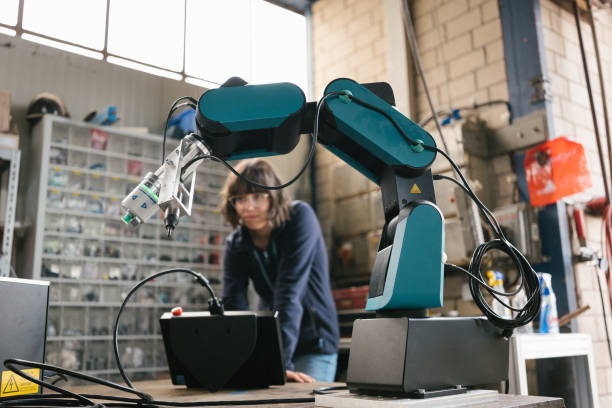
In today?s competitive business landscape, organizations are constantly seeking ways to streamline operations and enhance productivity. One of the most effective tools in achieving this goal is robotic process automation (RPA) software. By automating repetitive and time-consuming tasks, businesses can unlock significant efficiencies, reduce errors, and free up human resources for more strategic activities. This article explores how RPA robotic process automation software can transform business operations, the key benefits it offers, and the considerations for implementation.
Understanding RPA Robotic Process Automation
Robotic Process Automation is a technology that allows businesses to automate routine tasks by using software robots or ‘bots’. These bots are capable of mimicking human interactions with digital systems, allowing them to perform tasks such as data entry, processing transactions, and managing communications.
Key Features
- Automates repetitive tasks without the need for human intervention.
- Integrates seamlessly with existing systems and applications.
- Scalable across various departments and functions.
- Provides analytics and reporting for process optimization.
Benefits of Implementing RPA
The implementation of rpa robotic automation can lead to numerous advantages:
- Increased Efficiency: Automating tasks reduces the time taken to complete processes, leading to faster turnaround times.
- Cost Savings: By reducing the need for manual labor in repetitive tasks, businesses can significantly cut costs.
- Improved Accuracy: RPA minimizes human errors, thus improving the quality and reliability of business processes.
- Enhanced Compliance: RPA software ensures that processes are followed consistently, aiding in regulatory compliance.
- Better Resource Allocation: Employees can focus on higher-value tasks that require human intelligence and creativity.
Considerations for Successful RPA Implementation
To maximize the benefits of rpa process automation, businesses need to consider several factors during implementation:
Identify the Right Processes
Not all processes are suited for automation. Organizations should start by identifying repetitive, rule-based processes that require minimal human judgment. Common candidates include data entry, invoice processing, and customer service queries.
Change Management
Successful implementation requires effective change management strategies. Engage stakeholders early on and provide adequate training to ensure employees understand the benefits and usage of the new system.
Monitoring and Optimization
Once implemented, it is crucial to monitor the performance of the robotic process automation software. Regular audits and data analytics can help in identifying areas for further optimization and improvement.
Conclusion
RPA robotic process automation holds the potential to revolutionize business operations by increasing efficiency, reducing costs, and enhancing productivity. By carefully selecting the right processes for automation and managing change effectively, businesses can harness the full power of this transformative technology. As the technology continues to evolve, integrating RPA into business processes is not just an option but a strategic imperative for modern enterprises aiming to stay ahead in the competitive landscape.