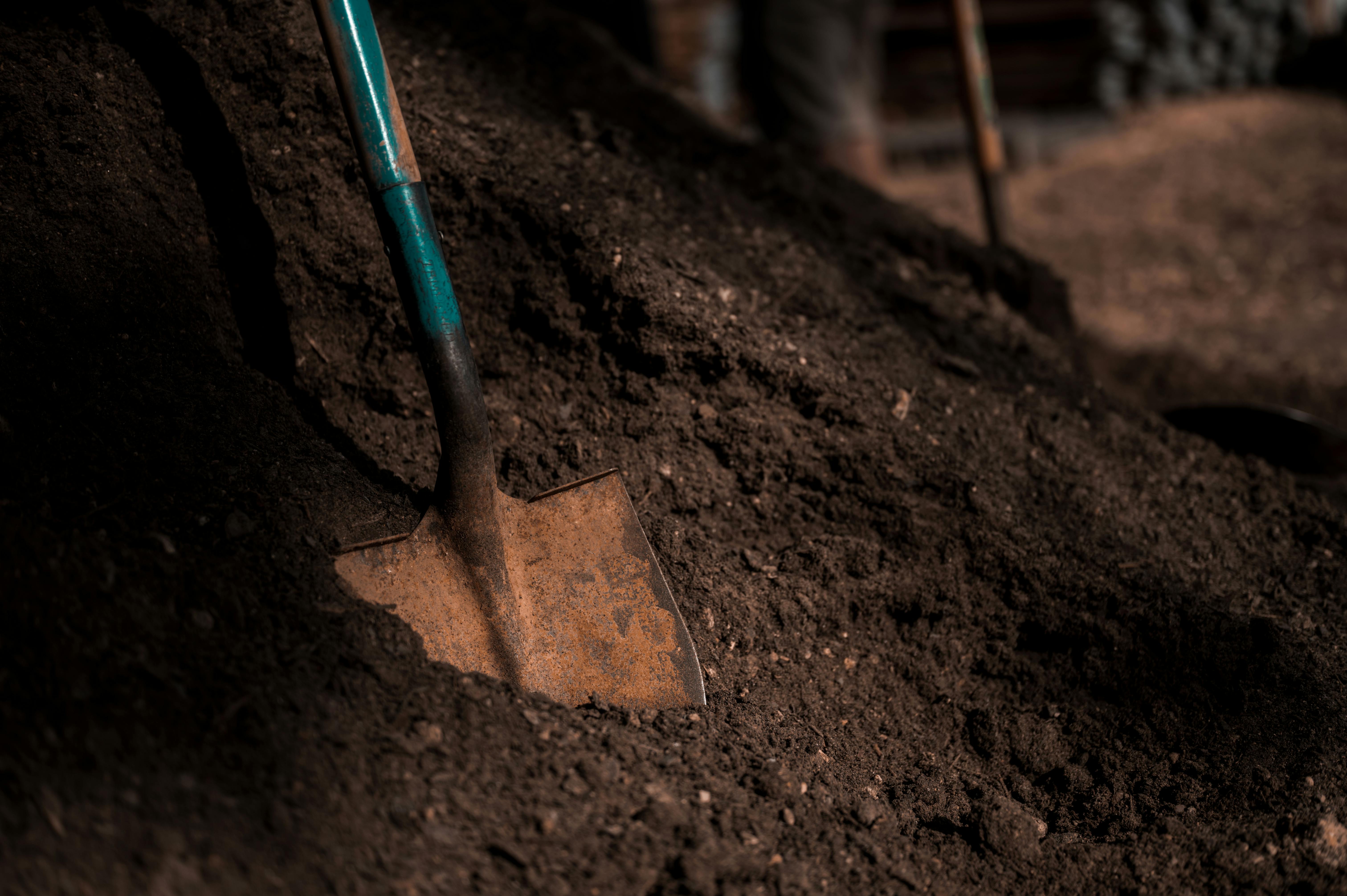
Aged arborist mulch is quickly becoming a staple in sustainable landscaping practices. This unique form of mulch, derived from the byproducts of tree pruning and maintenance, offers a range of benefits for both amateur gardeners and professional landscapers. Unlike traditional mulches, aged arborist mulch is naturally decomposed, enriching the soil and enhancing plant growth. Understanding the distinct advantages of this mulch type can transform gardening approaches and elevate landscape aesthetics.
What is Aged Arborist Mulch?
Aged arborist mulch is composed of the remains from tree trimming and removal activities, which are then allowed to naturally decompose over time. This process results in a nutrient-rich, organic material that can be used extensively in gardens and landscapes. The mulch is typically made up of wood chips, bark, leaves, and other organic matter that not only nourishes the soil but also helps conserve moisture and suppress weeds.
Benefits of Using Aged Arborist Mulch
Implementing aged arborist mulch in gardening practices presents numerous advantages:
- Nutrient Enrichment: As the mulch decomposes, it slowly releases nutrients into the soil, promoting healthier plant growth.
- Moisture Retention: The mulch helps retain soil moisture, reducing the need for frequent watering.
- Weed Suppression: Aged arborist mulch acts as a natural barrier, limiting weed growth by blocking sunlight.
- Soil Temperature Regulation: It helps in maintaining consistent soil temperatures, protecting plant roots from extreme weather conditions.
For those interested in adopting these benefits, it is important to discover expert strategies here.
How to Use Aged Arborist Mulch Effectively
Applying aged arborist mulch correctly can significantly enhance garden productivity:
- Application Depth: Spread the mulch in a layer about 2-4 inches deep around plants to ensure effective weed suppression and moisture retention.
- Replenishment: Reapply mulch as needed to maintain depth, especially after heavy rains or wind that may displace it.
- Avoid Over-Mulching: Too much mulch can suffocate plant roots and lead to poor drainage.
To ensure the best results, consider these advanced guides and tips for using mulch in various landscape settings.
The Environmental Impact of Aged Arborist Mulch
Utilizing aged arborist mulch is not only beneficial for gardens but also for the environment. It aids in reducing landfill waste by recycling organic materials. Furthermore, its application can enhance soil structure and biodiversity by supporting soil organisms essential for healthy ecosystems.
Individuals seeking sustainable gardening solutions will find that aged arborist mulch aligns with eco-friendly practices. Find out more about this approach to sustainable landscaping.
Conclusion
Aged arborist mulch offers a multitude of benefits for anyone looking to enrich their soil, conserve moisture, and suppress weeds naturally. Its environmental advantages further highlight its importance in sustainable landscaping practices. By understanding how to effectively utilize this mulch, landscapes can not only thrive aesthetically but also contribute to broader ecological health. For detailed information on integrating aged arborist mulch into landscaping projects, learn about our tailored solutions.