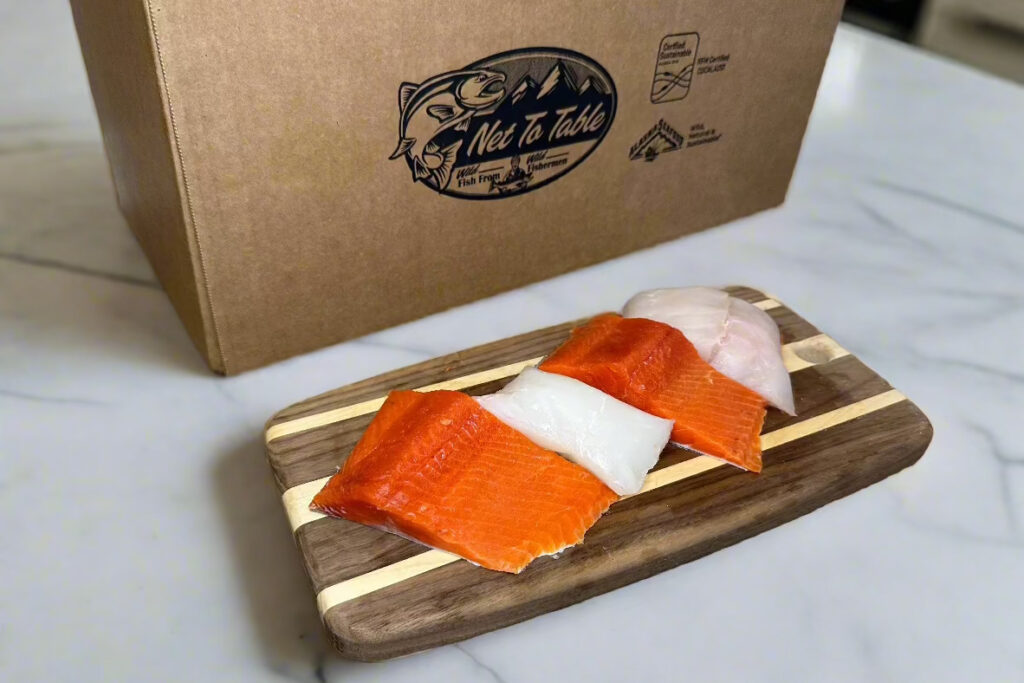
Wild caught Alaskan seafood is revered globally for its superior quality and sustainability. The pristine waters of Alaska provide an unpolluted environment where seafood thrives naturally, offering a bounty that is both delicious and environmentally sustainable. This guide delves into the benefits, types, and best practices for choosing and preparing Alaskan seafood, ensuring that consumers make informed decisions that align with ecological preservation and culinary excellence.
Understanding the Benefits of Wild Caught Alaskan Seafood
The advantages of consuming wild caught Alaskan seafood extend beyond taste. Here are some key benefits:
-
- Freshness and Flavor: The cold, clean waters of Alaska result in seafood that is fresh, flavorful, and rich in nutrients.
- Sustainability: With stringent regulations in place, Alaskan fisheries are managed to prevent overfishing, ensuring that seafood populations remain healthy.
- Health Benefits: Rich in omega-3 fatty acids, vitamins, and minerals, wild Alaskan seafood supports heart health and overall well-being.
- Environmental Impact: Fishing practices in Alaska are designed to minimize ecological disruption, making it a sustainable choice.
Types of Wild Caught Alaskan Seafood
Salmon
Alaska is famous for its salmon, which comes in five species: King, Sockeye, Coho, Pink, and Chum. Each variety offers unique flavors and textures, making them perfect for a range of culinary applications. Explore advanced guides and tips to optimize your salmon selection.
Halibut
Known for its mild flavor and firm texture, Alaskan halibut is a versatile fish that can be grilled, baked, or saut?ed. Its popularity stems from its ability to complement a variety of dishes.
Crab
Alaskan crab, particularly King and Snow, is a delicacy. Its sweet, succulent meat makes it a prized catch among seafood enthusiasts. Discover expert strategies here for selecting the best crab.
Best Practices for Selecting and Storing Alaskan Seafood
Choosing the right seafood is crucial for both taste and sustainability. Here are some tips:
-
- Check for Certifications: Look for labels like the Marine Stewardship Council (MSC) certification, which indicates sustainable fishing practices.
- Assess Freshness: Fresh fish should have a pleasant sea smell, firm flesh, and clear eyes.
- Proper Storage: Store seafood in the coldest part of the refrigerator and consume it within two days of purchase for optimal freshness.
For a wide selection of wild caught Alaskan seafood, find out more about this approach to ensure you’re getting the best quality.
Culinary Techniques for Alaskan Seafood
Cooking wild caught Alaskan seafood requires a delicate touch to preserve its natural flavors. Some recommended techniques include:
-
- Grilling: Ideal for salmon and halibut, grilling imparts a smoky flavor that enhances the fish’s natural taste.
- Poaching: A gentle cooking method that preserves moisture, perfect for delicate fish like cod and sole.
- Steaming: Retains nutrients and offers a healthy preparation method, particularly for shellfish like crab and shrimp.
For detailed cooking instructions and recipes, learn about our tailored solutions designed for seafood enthusiasts.
Conclusion
Wild caught Alaskan seafood stands out as a superior choice for those who prioritize quality, sustainability, and health benefits. By understanding the different types of seafood available, mastering the art of selection and storage, and employing the right cooking techniques, consumers can enjoy the full spectrum of flavors that Alaskan waters have to offer. Incorporate these strategies and tips into your culinary repertoire to elevate your seafood experience.