As the days grow warmer, the presence of mosquitoes becomes more noticeable and often, more bothersome. Whether it?s the persistent buzzing or the itchy welts left behind, these pests can greatly diminish outdoor comfort. Fortunately, there are numerous convenient mosquito control options available that can help individuals enjoy their outdoor spaces without the nuisance of mosquitoes. The key is finding the right solution that fits specific needs and circumstances. This article explores various mosquito control methods and provides insights into choosing the most effective solution.
Understanding Mosquito Behavior
Before diving into control methods, it?s important to understand the behavior of mosquitoes. These insects are most active during dawn and dusk, though some species are active during the day. They are attracted to carbon dioxide, body heat, and certain scents.
Effective mosquito control focuses on reducing mosquito populations and making environments less appealing to them. This can be achieved through a combination of methods, which can be explored in detail by accessing expert strategies here.
Common Mosquito Control Methods
1. Source Reduction
Reducing mosquito breeding grounds is one of the most effective methods of control. This involves eliminating standing water where mosquitoes lay eggs.
- Regularly empty and clean bird baths, pet bowls, and plant saucers.
- Ensure rain gutters are clean and free of debris.
- Cover or empty containers that can collect rainwater.
2. Biological Control
Introducing natural predators to mosquito habitats can help control populations. This ecological approach includes:
- Encouraging bat populations, as bats consume large quantities of insects.
- Releasing mosquito-eating fish, such as Gambusia, into ponds.
- Using bacteria-based larvicides that target mosquito larvae without harming other wildlife.
To explore advanced guides and tips on biological control, visit this resource.
3. Chemical Control
Chemical methods can be effective for immediate relief from mosquitoes:
- Applying insect repellents containing DEET, picaridin, or oil of lemon eucalyptus on exposed skin and clothing.
- Using larvicides in standing water to kill mosquito larvae.
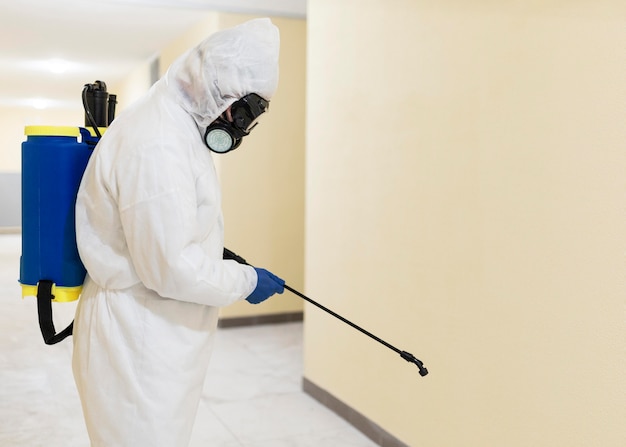
- Hiring professional pest control services to apply mosquito adulticides in large outdoor areas.
For tailored solutions that include chemical control, learn more about our tailored solutions.
Technological Innovations in Mosquito Control
Recent advancements have introduced innovative methods for mosquito control:
- Insecticide-treated nets and curtains that provide long-lasting protection.
- Mosquito traps that use light and carbon dioxide to lure and trap mosquitoes.
- Wearable devices emitting ultrasonic frequencies that repel mosquitoes.
Discover more about this approach by visiting this page.
Choosing the Right Solution
When selecting a mosquito control method, consider:
- The severity of the mosquito problem.
- The size of the area needing protection.
- Budget and long-term sustainability of the solution.
- Environmental impact and safety for non-target species.
For individuals seeking comprehensive mosquito control, professional services can provide customized solutions that consider unique environmental factors and specific pest challenges. Find out more about this approach to ensure a mosquito-free environment.
Effective mosquito control requires a combination of methods tailored to the specific environment and level of infestation. By understanding mosquito behavior and exploring diverse control options, individuals can significantly reduce mosquito populations and enjoy a more comfortable outdoor experience. Whether opting for natural, chemical, or technological solutions, the right approach can make all the difference.