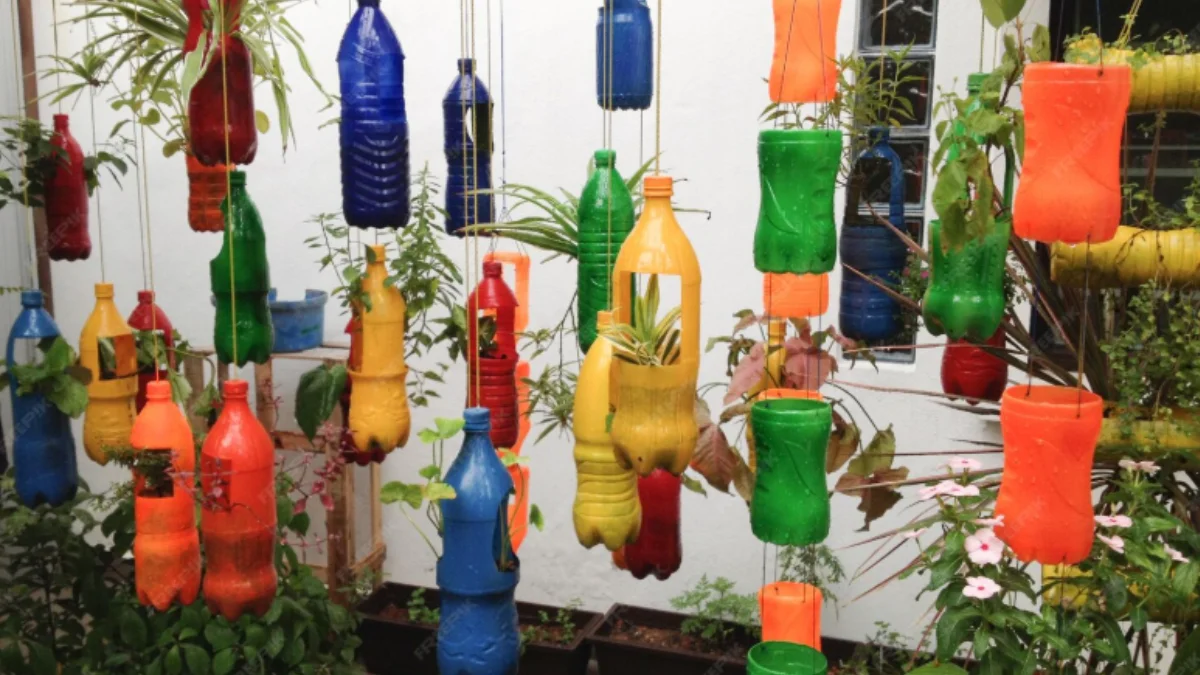
Gardening offers a rewarding experience that fosters a deep connection with nature. However, for those new to the art of planting, navigating the abundance of information available can be overwhelming. The key to successful planting lies in understanding some fundamental principles that guide the growth and health of plants. This article provides five essential tips for planting that cater to both beginners and seasoned gardeners. Integrating these strategies into your gardening routine can significantly enhance plant health and yield, leading to a more fulfilling gardening journey.
1. Know Your Soil
Understanding the type of soil in your garden is crucial for the success of your plants. Different plants thrive in different soil conditions, and knowing what type of soil you have can help you choose the right plants or amend the soil accordingly.
- Conduct a soil test to determine pH and nutrient levels. This information will guide you in making necessary adjustments.
- Amend the soil with organic matter, such as compost, to improve its fertility and structure.
- Consider the drainage of your soil. Poor drainage can lead to waterlogged roots, which is detrimental to plant health. Raised beds or containers can be a solution for areas with poor drainage.
For more detailed soil management techniques and tailored solutions, learn about our tailored solutions.
2. Choose the Right Plants
Selecting the appropriate plants for your climate and garden conditions is paramount. Not all plants are suited for every environment, and choosing ones that align with your conditions will save time and resources.
- Research plants that are native to your area as they are typically well-adapted to the local climate and soil conditions.
- Consider sun and shade requirements. Some plants need full sun, while others thrive in partial shade.
- Take into account the mature size of the plant to ensure it fits well in your garden space.
For a comprehensive list of plants suited to different conditions, discover expert strategies here.
3. Timing is Everything
Planting at the right time of year is essential for the success of your garden. Different plants have specific growing seasons, and planting them outside of these times can result in poor growth or even death.
- Research the best planting times for your selected species. This information is often available on seed packets or plant labels.
- Consider the local climate and weather patterns. A late frost or unexpected heatwave can affect plant survival.
- Use a gardening calendar to keep track of planting and harvesting dates.
For further guidance on planting schedules, explore advanced guides and tips.
4. Water Wisely
Watering is a critical component of plant care, and doing it correctly can make or break your garden.
- Water deeply but infrequently to encourage deep root growth. This helps plants withstand dry spells.
- Water in the early morning or late afternoon to minimize evaporation and water loss.
- Consider using drip irrigation or soaker hoses for efficient water use and to target water directly to the roots.
For more efficient watering techniques and solutions, find out more about this approach.
5. Regular Maintenance
Finally, regular maintenance is essential to ensure your garden remains healthy and productive.
- Regularly check for pests and diseases. Early detection can prevent them from becoming a larger problem.
- Prune plants to encourage healthy growth and remove dead or diseased parts.
- Mulch around plants to retain moisture, suppress weeds, and regulate soil temperature.
For ongoing garden care tips and maintenance practices, explore advanced guides and tips.
By incorporating these essential planting tips, gardeners can create thriving, beautiful gardens. Understanding soil, choosing the right plants, timing, watering wisely, and maintaining the garden are all crucial components of successful gardening. For those seeking to deepen their knowledge, exploring advanced gardening techniques and solutions can further enhance their gardening experience.