In today’s world, the importance of energy efficiency and sustainable living is paramount. A significant component of achieving these goals is ensuring proper home insulation. In New Hampshire, where the climate can vary drastically, having adequate insulation is crucial for maintaining a comfortable indoor environment and reducing energy costs. This article delves into affordable insulation options available in New Hampshire, providing insight into how homeowners can improve energy efficiency while keeping costs manageable.
Importance of Insulation
Insulation plays a vital role in maintaining energy efficiency in homes. Proper insulation helps to:
- Reduce energy consumption by minimizing heat loss in winter and heat gain in summer.
- Create a more comfortable living environment by stabilizing indoor temperatures.
- Decrease heating and cooling costs, contributing to long-term savings.
- Enhance the overall value of a property.
With the varied weather conditions in New Hampshire, investing in effective insulation is not just a choice but a necessity. Read more about this topic to understand the broader implications of home insulation.
Types of Insulation Suitable for New Hampshire
Choosing the right type of insulation is key to maximizing energy efficiency. The following options are popular choices for New Hampshire homes:
Fiberglass Insulation
Fiberglass insulation is one of the most common forms used in homes across the United States. It is:
- Cost-effective, making it an affordable option for many homeowners.
- Easy to install in various areas of a house, including walls, attics, and floors.
- Available in different forms, such as batts and blown-in, providing flexibility in application.
For those interested in exploring fiberglass insulation further, find additional information here to determine if it fits specific needs.
Spray Foam Insulation
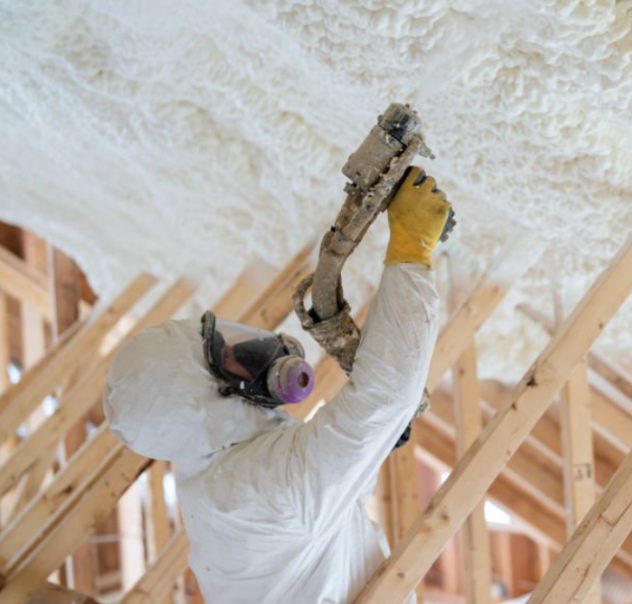
Spray foam insulation offers superior sealing capabilities, making it an excellent option for New Hampshire’s diverse climate. Its benefits include:
- Excellent air sealing properties, reducing drafts and improving indoor air quality.
- A higher R-value per inch compared to other insulation types, providing better thermal resistance.
- Long-lasting performance that contributes to energy savings over time.
While spray foam insulation may have a higher upfront cost, its long-term benefits are significant. Explore further insights here for a detailed overview of spray foam insulation.
Cellulose Insulation
Cellulose insulation is an eco-friendly option, made primarily from recycled paper products. Its advantages include:
- Environmentally sustainable, utilizing recycled materials.
- Effective at reducing air leakage and improving energy efficiency.
- Affordable and accessible for many homeowners.
To understand more about how cellulose insulation can benefit homes, learn more in this detailed guide.
Considerations for Choosing Insulation
When deciding on insulation, several factors should be taken into account:
- R-Value: This measures the insulation’s resistance to heat flow. A higher R-value indicates better insulating power.
- Installation Area: Different parts of the home may require different types of insulation.
- Budget: While some insulation types offer better performance, they may come at a higher initial cost.
- Environmental Impact: Consider the sustainability of the materials used in the insulation.
By weighing these factors, homeowners can make informed decisions that align with their energy efficiency goals and budget constraints. For more tailored advice, explore further insights here.
Conclusion
Insulation is a crucial component of energy-efficient home design, especially in regions like New Hampshire. By understanding the various insulation options available, homeowners can make informed decisions that not only enhance comfort but also reduce energy costs. Whether opting for fiberglass, spray foam, or cellulose insulation, each choice offers unique benefits that can contribute to a more sustainable living environment. For those considering insulation improvements, it’s essential to consider the specific needs of the home, potential savings, and environmental impact. Read more about this topic to discover how proper insulation can transform a home into a model of efficiency and comfort.