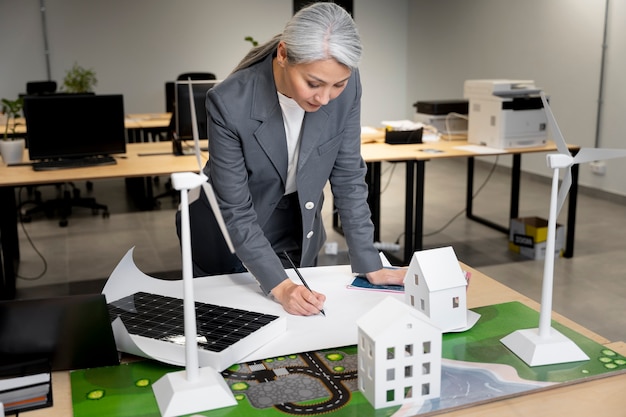
In recent years, solar energy panels have become a popular choice for homeowners seeking sustainable and cost-effective energy solutions. With the rising awareness of environmental issues and the increasing cost of electricity, many individuals are turning to solar power as a viable alternative. This article explores the numerous benefits of installing solar energy panels in residential settings, highlighting their impact on both the environment and household economics. By understanding these advantages, homeowners can make informed decisions about transitioning to solar energy.
Environmental Benefits of Solar Energy
One of the most compelling reasons to install solar energy panels is their positive impact on the environment. Solar power is a clean, renewable source of energy that significantly reduces carbon emissions. Here are some key environmental benefits:
- Reduction in Greenhouse Gas Emissions: Solar panels do not emit harmful pollutants, thereby helping to mitigate climate change.
- Conservation of Natural Resources: Solar energy reduces reliance on fossil fuels, which are finite and environmentally damaging.
- Decreased Air Pollution: By minimizing the need for conventional power generation, solar panels contribute to cleaner air quality.
To explore advanced guides and tips on how solar energy can contribute to a more sustainable future, discover expert strategies here.
Economic Advantages
Cost Savings
The economic benefits of solar panels are primarily reflected in cost savings over time. Although the initial investment might seem substantial, the long-term financial returns are significant. Here?s how homeowners can benefit economically:
- Reduction in Electricity Bills: Solar panels generate free electricity, leading to substantial savings on monthly utility bills.
- Tax Incentives and Rebates: Governments often offer tax credits and rebates to encourage the adoption of solar energy.
- Increased Property Value: Homes equipped with solar panels tend to have higher property values due to their energy efficiency.
Find out more about this approach to achieving cost efficiency in residential energy use by visiting this detailed page.
Energy Independence
Solar panels provide homeowners with a degree of energy independence. By generating their own power, individuals are less affected by fluctuations in energy prices and supply disruptions. This independence is particularly beneficial in regions prone to power outages or rising electricity costs.
To learn about our tailored solutions for achieving energy independence, explore this resource.
Technological Advancements and Efficiency
Advancements in solar technology have significantly improved the efficiency and affordability of solar panels. Modern panels are capable of capturing more sunlight and converting it into electricity with higher efficiency rates. These technological improvements have made solar energy an increasingly attractive option for homeowners.
For a detailed understanding of these advancements and how they can be applied to residential properties, learn more here.
Conclusion
In conclusion, solar energy panels offer a wide range of benefits for homeowners, from environmental sustainability to significant economic savings. As technology continues to advance, the efficiency and attractiveness of solar energy will only increase. Homeowners looking to reduce their carbon footprint while also benefiting economically should consider the installation of solar panels. With the right information and resources, such as those available at this comprehensive guide, making the transition to solar energy can be a seamless and rewarding process.