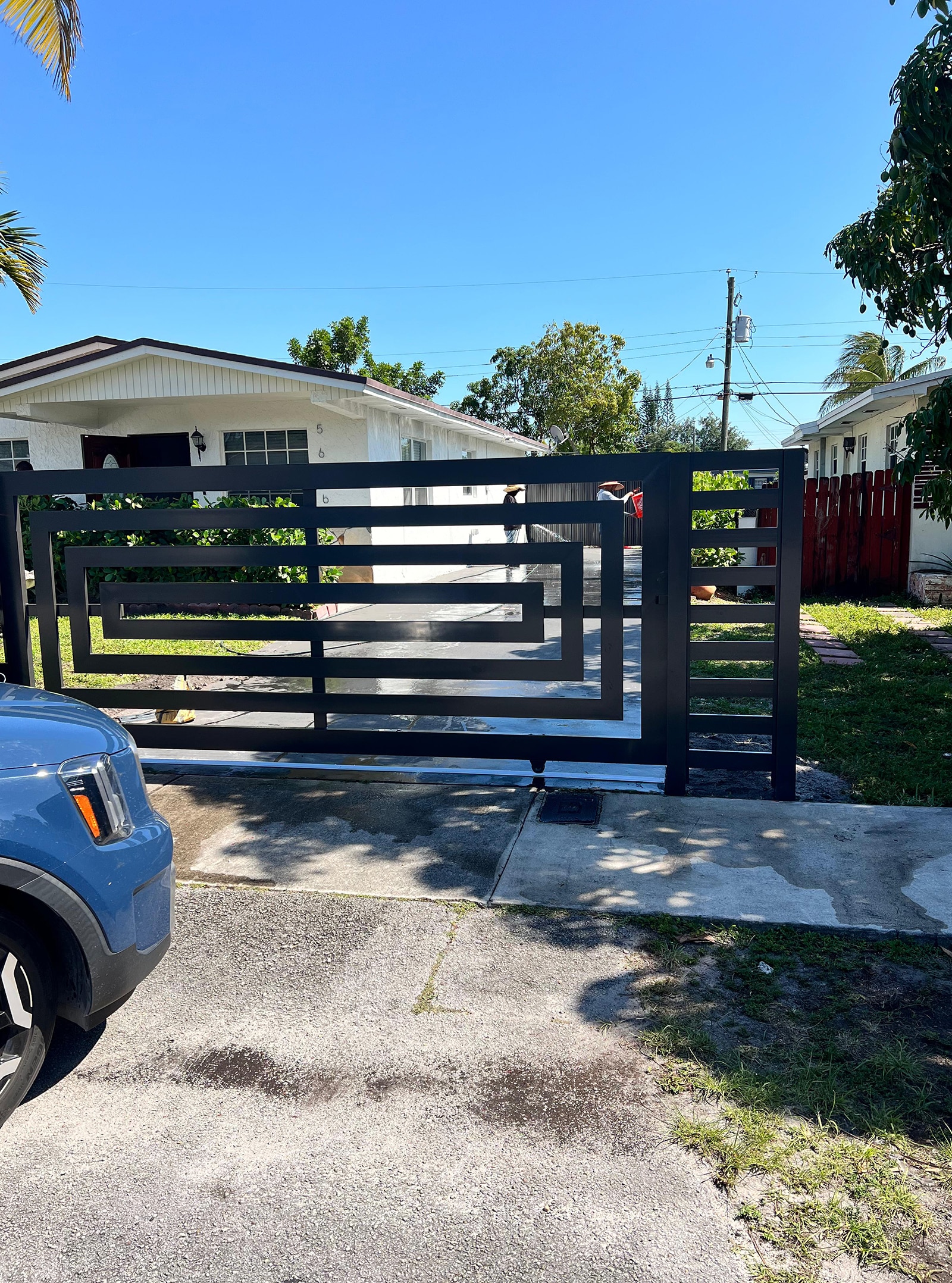
Crafting a custom outdoor space is more than just an aesthetic choice; it’s an opportunity to extend the living area of your home into the natural environment. Whether it’s a serene garden retreat, a vibrant entertainment area, or a multifunctional space that combines both, the possibilities are endless. With the right planning and execution, an outdoor space can transform into an oasis that reflects personal style and complements the existing architecture of the home. This article explores the essentials of creating bespoke outdoor environments, while offering insights and tips on how to bring a vision to life.
Designing with Purpose
The first step in creating a custom outdoor space is identifying the purpose it will serve. This involves considering who will use the space and how frequently it will be used. Here are some key points to consider:
- Determine the primary function: Will the space be used for relaxing, dining, entertaining, or gardening?
- Consider the climate: Different regions will require different design strategies. For instance, shaded areas are crucial in hot climates.
- Evaluate the space available: The size and shape of the outdoor area will influence design decisions.
- Assess privacy needs: Depending on the location, privacy might be a priority, influencing the choice of walls, fences, or hedges.
For more detailed strategies on designing outdoor spaces, discover expert strategies here.
Incorporating Natural Elements
Plants and Greenery
Integrating nature into the design is essential for a cohesive outdoor space. Plants not only enhance aesthetics but also contribute to the overall atmosphere. Consider the following:
- Choose native plants that thrive in the local environment, reducing maintenance and water usage.
- Blend a variety of textures and colors to add depth and interest.
- Use trees and shrubs strategically for shade and privacy.
Learn about our tailored solutions for incorporating greenery effectively into your outdoor design.
Water Features and Hardscapes
Water features and hardscapes can dramatically enhance an outdoor space, adding both visual appeal and functionality. Here are some ideas:
- Add a pond or fountain for a soothing ambiance.
- Incorporate stone pathways or patios to define areas and provide structure.
- Consider sustainable materials that are durable and environmentally friendly.
To explore more advanced guides and tips on hardscape integration, explore advanced guides and tips.
Lighting and Furniture
Lighting Solutions
Proper lighting extends the usability of outdoor spaces into the evening and highlights architectural and natural features. Consider these lighting solutions:
- LED lights for energy efficiency and longevity.
- Pathway lights to ensure safety and guide visitors.
- Accent lighting to highlight trees, artwork, or water features.
Choosing the Right Furniture
Furniture plays a critical role in the comfort and functionality of an outdoor area. Here are some tips:
- Select weather-resistant furniture that can withstand the elements.
- Opt for modular pieces that offer flexibility and adaptability.
- Include cushions and textiles for added comfort and style.
Find out more about this approach to selecting the perfect outdoor furniture for your space.
Conclusion
Creating a custom outdoor space requires thoughtful planning and a clear understanding of personal preferences and practical needs. By focusing on design purpose, incorporating natural elements, and considering lighting and furniture options, an outdoor area can become a true extension of the home. For those seeking to transform their outdoor spaces into personalized retreats, there are numerous resources and expert insights available to guide the process and ensure the final result is both beautiful and functional.