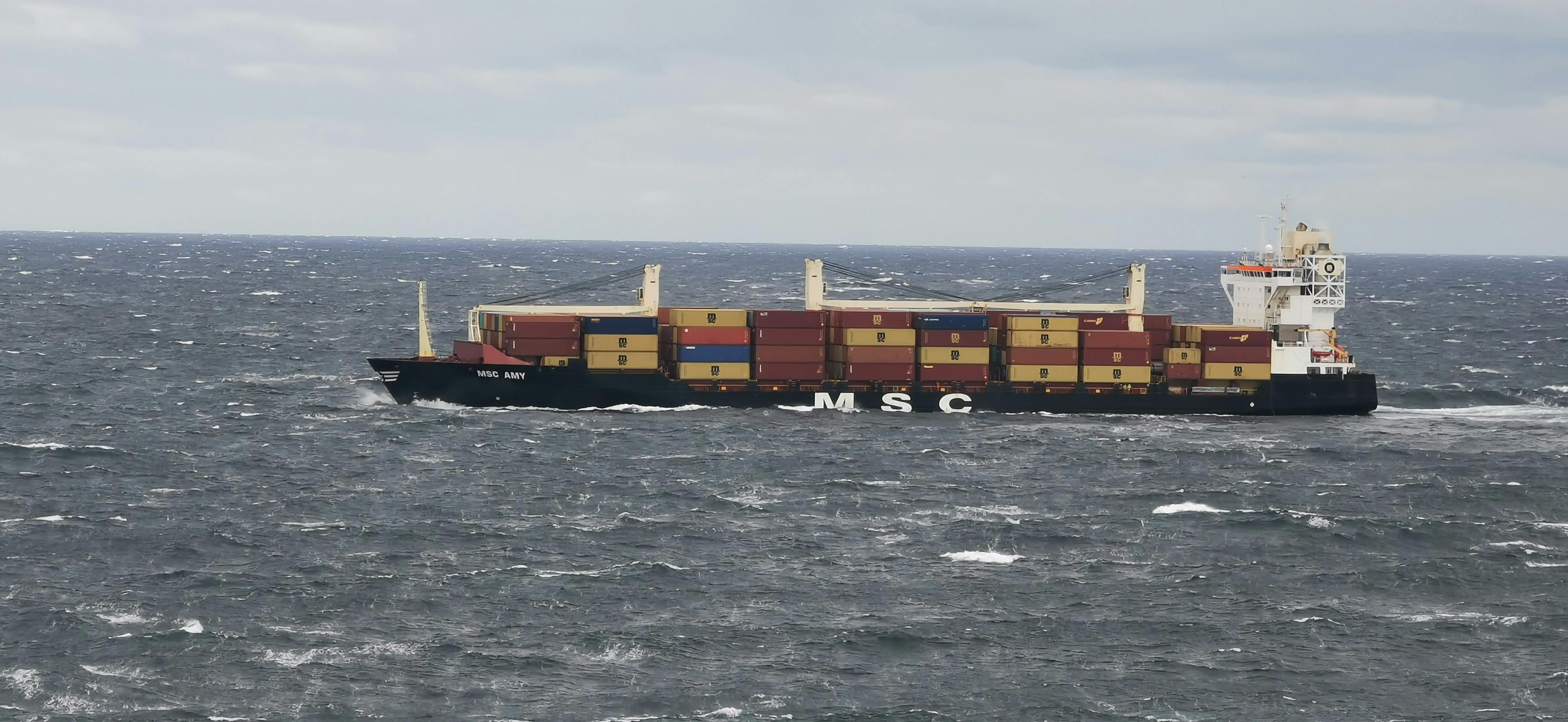
In an increasingly globalized market, the efficiency of transporting goods is pivotal to a business’s success. A reliable freight carrier network plays a crucial role in ensuring that goods are delivered safely, on time, and cost-effectively. Building a robust logistics framework with the right freight carriers can significantly enhance operational efficiency, customer satisfaction, and ultimately, business growth. This article delves into the essential aspects of leveraging a freight carrier network to build a successful business.
Understanding the Importance of a Reliable Freight Carrier Network
For businesses that depend on the timely delivery of goods, a dependable freight carrier network is indispensable. Here are some key reasons why:
- Timely Deliveries: Ensures that products reach their destination as scheduled, which is crucial for maintaining customer satisfaction and trust.
- Cost Savings: Optimized routes and efficient logistics can lead to significant cost reductions.
- Scalability: A robust network can handle increased demand, facilitating business growth without compromising service quality.
- Risk Management: Minimizes risks related to delays, damages, and other logistical challenges.
To fully capitalize on these benefits, businesses should explore advanced guides and tips on logistics optimization. Find out more about this approach to enhance your freight logistics.
Key Factors in Choosing the Right Freight Carrier Network
Selecting the right partners for freight logistics involves careful consideration of multiple factors. Here are some critical elements to evaluate:
Service Reliability
The carrier’s track record in terms of on-time deliveries and handling of goods is a primary consideration. Reliable carriers can be identified through industry benchmarks and customer reviews. Discover expert strategies here to assess and select dependable freight services.
Coverage and Network Strength
The geographical reach of the carrier network should align with business needs. A broad network ensures flexibility and the ability to handle shipments in diverse locations.
Technological Integration
Modern logistics requires seamless tech integration for tracking, data management, and communication. Carriers utilizing advanced logistics software can offer real-time tracking and analytics, providing greater control over shipments.
Cost Efficiency
While cost is a significant factor, it should be weighed against the quality and reliability of service. Transparent pricing models and flexible payment terms are advantageous.
Learn about our tailored solutions for building an efficient freight carrier network by visiting this resource.
Strategies to Optimize Freight Logistics
Optimizing freight logistics goes beyond selecting the right carrier. It involves strategic planning and execution to maximize efficiency. Here are some strategies to consider:
- Route Optimization: Utilizing software to determine the most efficient routes can reduce transit times and costs.
- Load Planning: Ensuring optimal load capacity utilization can prevent unnecessary costs and improve service efficiency.
- Collaboration: Building strong partnerships with carriers and other supply chain stakeholders can enhance efficiency and service quality.
- Continuous Monitoring: Regularly evaluating performance metrics helps in identifying areas for improvement.
For more detailed insights and strategies, explore advanced guides and tips on optimizing freight logistics.
The Role of Technology in Freight Logistics
Technology is reshaping the logistics landscape, enabling businesses to streamline operations and enhance service delivery. Here?s how technology integration is transforming freight logistics:
- Real-time Tracking: Provides visibility into shipment status, allowing for proactive management of potential issues.
- Data Analytics: Helps in making informed decisions based on historical and predictive data.
- Automation: Reduces manual errors and speeds up processes such as documentation and tracking.
To adopt cutting-edge technological solutions in freight logistics, learn more about our tailored solutions.
In conclusion, building a business with a reliable freight carrier network involves more than just choosing the right carriers. It requires strategic planning, a focus on technology, and a commitment to continuous improvement. These elements combined can lead to improved operational efficiencies, cost savings, and enhanced customer satisfaction, ultimately driving business growth in the competitive market landscape.