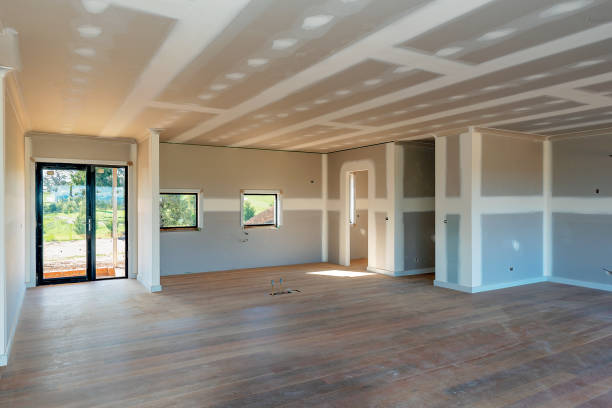
Timber flooring is a timeless choice, offering both aesthetic appeal and functional advantages for homes and businesses alike. Selecting the right timber flooring involves consideration of various factors, including wood type, durability, and finish, which can significantly influence the overall look and feel of your space. This article will guide you through the key aspects to consider when choosing the best timber flooring, helping you make an informed decision that complements your style and meets your practical needs.
Types of Timber Flooring
Understanding the different types of timber flooring is crucial in making an appropriate choice for your home or business. Each type has unique characteristics and benefits:
- Solid Timber Flooring: Known for its durability and natural beauty, solid timber flooring is crafted from a single piece of wood. It can be sanded and refinished multiple times, making it a long-lasting option.
- Engineered Timber Flooring: This type consists of a veneer of real wood on top of a plywood or composite base. It offers stability and resistance to temperature and humidity fluctuations.
- Bamboo Flooring: Although technically a grass, bamboo is a popular eco-friendly alternative. It is highly durable and offers a distinctive aesthetic.
Explore advanced guides and tips on selecting the right type of timber flooring for your specific needs.
Factors to Consider
Durability and Maintenance
The durability of timber flooring is a primary concern, especially in high-traffic areas. Consider the following:
- Hardness: Different woods have varying hardness levels. Hardwoods like oak and maple are more resistant to wear and tear.
- Maintenance: Regular cleaning and occasional refinishing can extend the life of your timber floors. Engineered floors may require less maintenance compared to solid timber.
Learn about our tailored solutions for maintaining and enhancing the lifespan of your timber flooring.
Style and Aesthetics
Timber flooring can dramatically alter the ambiance of a space. When considering style and aesthetics, think about:
- Color and Finish: Different wood species offer a variety of colors and grains. Finishes can range from glossy to matte, influencing the overall appearance.
- Pattern and Layout: Options like wide planks, herringbone, or chevron patterns can add unique character to your flooring.
Find out more about this approach to achieving the desired look and feel with timber flooring.
Environmental Impact
Being mindful of the environmental impact of your flooring choice is increasingly important. Opt for:
- Sustainable Sources: Look for timber that is certified by organizations like the Forest Stewardship Council (FSC) to ensure it comes from responsibly managed forests.
- Eco-Friendly Finishes: Choose finishes that are low in volatile organic compounds (VOCs) to reduce harmful emissions.
Discover expert strategies here for selecting sustainable and environmentally friendly flooring options.
Cost Considerations
The cost of timber flooring can vary greatly depending on the type of wood, quality, and installation complexity. Consider:
- Budget: Determine your budget early on to narrow down choices. Engineered options are typically more affordable than solid timber.
- Long-Term Investment: While the initial cost may be higher, quality timber flooring can increase property value and provide a great return on investment.
Explore advanced guides and tips for budgeting and maximizing value with timber flooring.
In conclusion, choosing the best timber flooring for your home or business requires careful consideration of various factors, from the type of timber and its durability to style preferences and environmental impact. By weighing these elements and exploring expert resources, you can select a flooring solution that not only meets your aesthetic and functional needs but also aligns with your values and budgetary constraints.