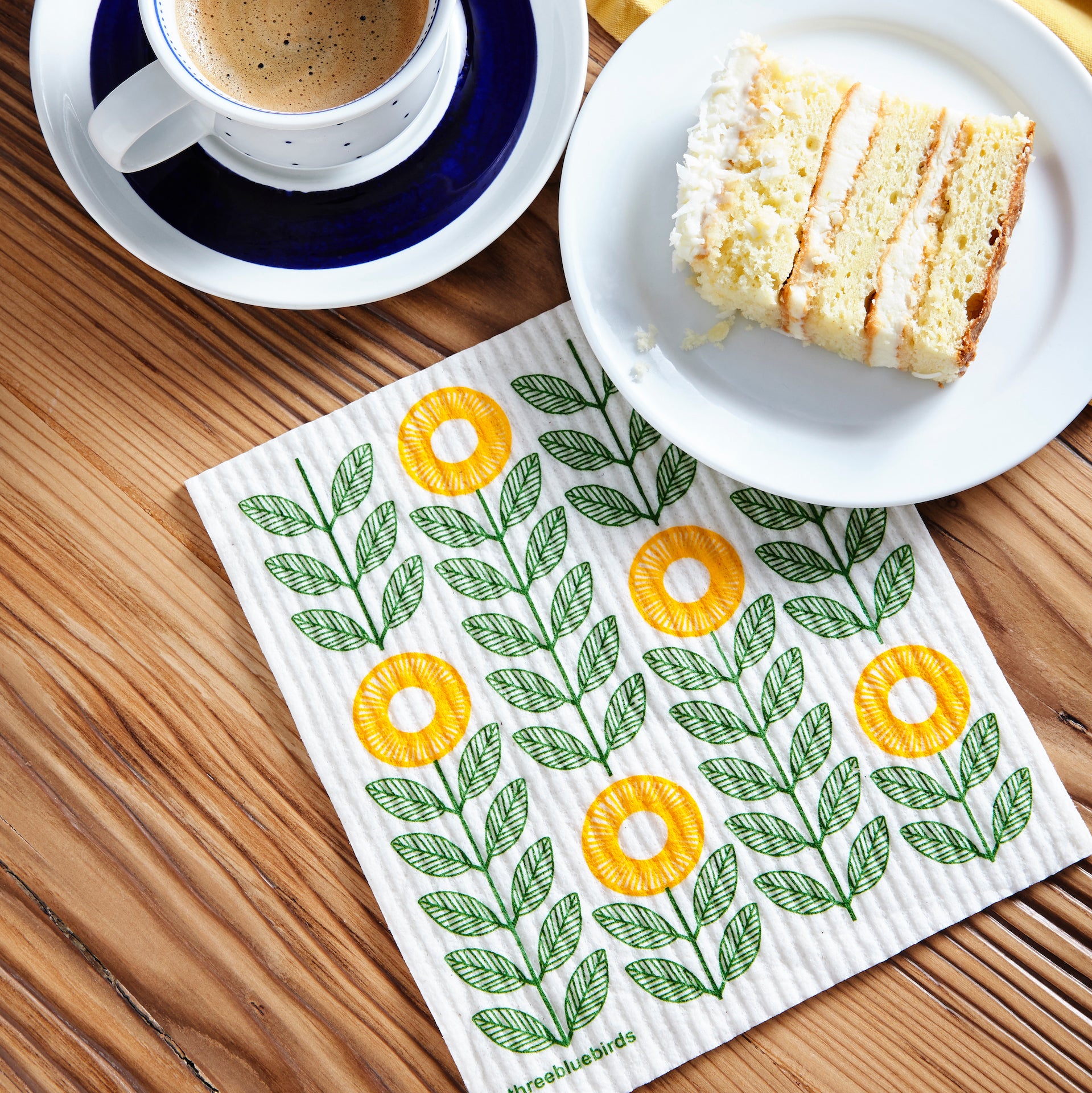
The quest for an efficient, eco-friendly cleaning solution leads many to the innovative design of the Swedish dish sponge. Known for its superior absorbency and durability, this kitchen staple combines form and function to elevate the everyday cleaning experience. Swedish dish sponges offer an eco-conscious alternative to traditional sponges, reducing waste while maintaining impeccable cleaning standards. This article delves into the characteristics that make these sponges indispensable and highlights key factors to consider when selecting the best one for your needs.
Understanding the Swedish Dish Sponge
The Swedish dish sponge, also known as a sponge cloth, is crafted from a blend of cellulose and cotton, providing a biodegradable and compostable option for households committed to sustainability. Their design allows for:
- Enhanced absorption, capable of holding up to 15 times their weight in water.
- A streak-free finish on surfaces, making them ideal for cleaning dishes, countertops, and appliances.
- Longevity, as they are washable and reusable, reducing the frequency of replacement.
For those interested in transitioning to eco-friendly cleaning options, discover expert strategies here.
Factors to Consider When Choosing a Swedish Dish Sponge
Material Composition
The effectiveness of a Swedish dish sponge largely depends on its material composition. Opting for a sponge with a balanced mix of cellulose and cotton ensures maximum absorbency and durability. Learn about our tailored solutions to find sponges made from the finest materials.
Design and Usability
The design of a dish sponge should facilitate easy handling and efficient cleaning. Consider features such as:
- Ergonomic shape for comfortable use.
- Textured surfaces to tackle stubborn stains and debris.
- Aesthetic appeal, with various colors and patterns to suit personal preferences.
For more insights into selecting the right design for your needs, explore advanced guides and tips.
Environmental Impact
A significant advantage of the Swedish dish sponge is its minimal environmental footprint. When evaluating sponges, consider their:
- Biodegradability, ensuring that the sponge decomposes naturally after disposal.
- Reusable nature, which reduces waste compared to single-use alternatives.
- Packaging, with eco-friendly options enhancing the sustainability of the product.
To understand more about the environmental benefits of these sponges, find out more about this approach.
Conclusion
The Swedish dish sponge stands out as a superior choice for those seeking effective, sustainable cleaning solutions. With their excellent absorbency, reusable nature, and minimal environmental impact, these sponges are a staple for any eco-conscious household. By considering factors like material composition, design, and sustainability, users can ensure they opt for the best sponge to meet their cleaning needs. To explore a range of options and learn more, visit the comprehensive selection available here.