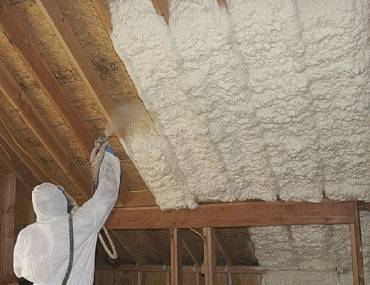
Effective insulation is a cornerstone of energy efficiency and indoor comfort. As global energy demands rise, the importance of optimizing energy consumption in homes and businesses cannot be overstated. Insulation serves as a critical barrier, reducing heat loss in winter and heat gain in summer. This not only enhances comfort but also significantly lowers energy bills. By understanding different insulation types and their benefits, individuals can make informed decisions that contribute to sustainable living.
Understanding Insulation Types
There are various insulation materials available, each with unique properties that cater to specific needs. Choosing the right type depends on factors such as climate, building design, and personal preferences.
Fiberglass Insulation
- Cost-effective: One of the most affordable insulation options.
- Fire-resistant: Naturally non-combustible, enhancing safety.
- Easy Installation: Fiberglass batts can be easily installed by professionals or DIY enthusiasts.
- Read more about this topic.
Spray Foam Insulation
- Superior Air Barrier: Expands to fill gaps and cracks, providing an airtight seal.
- Moisture Resistance: Helps prevent mold growth and moisture-related issues.
- Long Lifespan: Durable and can last as long as the building itself.
- Explore further insights here.
Cellulose Insulation
- Eco-friendly: Made from recycled paper products.
- Soundproofing: Excellent at reducing noise transmission.
- Fire-retardant: Treated with fire retardants to enhance safety.
- Learn more in this detailed guide.
Benefits of Proper Insulation
Installing proper insulation offers numerous advantages that extend beyond immediate financial savings. Here are some compelling benefits:
Energy Efficiency
- Reduced Energy Bills: Insulation minimizes the need for heating and cooling, directly impacting energy costs.
- Lower Carbon Footprint: By using less energy, insulated buildings contribute to environmental conservation.
- Find additional information here.
Enhanced Comfort
- Consistent Indoor Temperature: Insulation helps maintain a uniform temperature, eliminating cold drafts or hot spots.
- Improved Air Quality: By sealing gaps, insulation can prevent pollutants from entering indoor spaces.
Making the Right Insulation Choice
Choosing the appropriate insulation involves considering several factors, including the type of building, climate conditions, and budget constraints. Conducting thorough research and consulting with experts can lead to an optimal insulation strategy that maximizes both comfort and energy savings.
In conclusion, insulation is a vital component in the pursuit of energy efficiency and comfort. By understanding the various types of insulation and their benefits, individuals can make informed decisions that lead to significant cost savings and environmental benefits. Whether opting for fiberglass, spray foam, or cellulose, each material offers unique advantages that can be tailored to specific needs. For those interested in diving deeper into insulation and its benefits, explore further insights here.