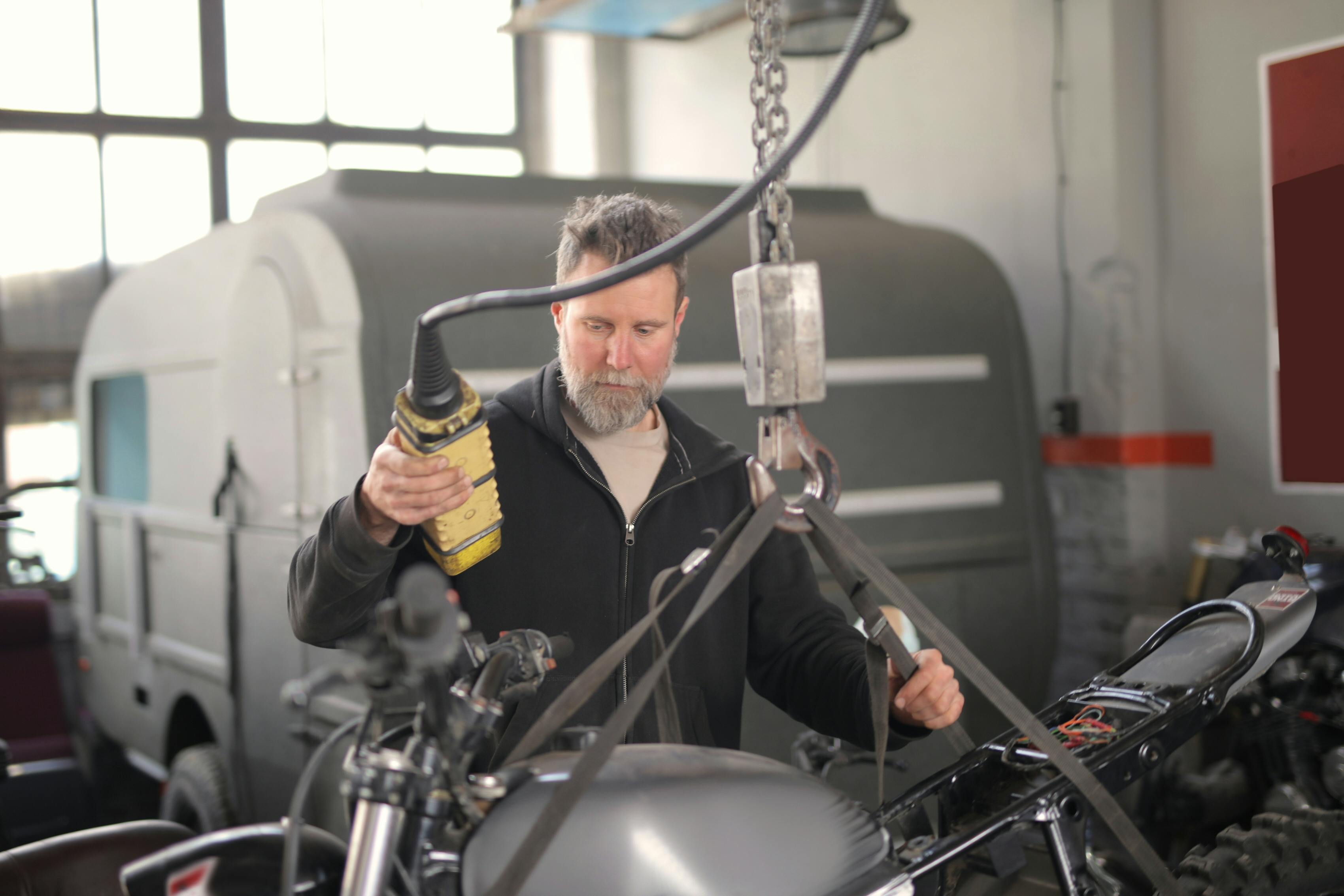
In the construction industry, the efficiency and longevity of equipment are critical to ensuring project success and maintaining a competitive edge. Effective maintenance practices not only extend the life of machinery but also enhance operational efficiency and safety. Here are expert tips for achieving construction equipment maintenance success, which can serve as a guide to optimizing the performance and reliability of your machinery.
Understanding the Importance of Regular Maintenance
Regular maintenance is the cornerstone of a successful equipment management strategy. It helps in identifying and addressing potential issues before they escalate into costly repairs or downtime. Routine checks ensure that equipment is running at optimal performance and complies with safety standards. To discover expert strategies here on implementing a robust maintenance schedule, consider the following practices:
- Schedule regular inspections to catch early signs of wear and tear.
- Document maintenance activities to track equipment history and performance.
- Utilize checklists to ensure all aspects of maintenance are covered.
Prioritizing Operator Training and Involvement
Operators play a crucial role in equipment maintenance. They are the first line of defense in identifying potential issues and ensuring proper handling of machinery. Investing in operator training can significantly enhance maintenance outcomes.
Key Training Focus Areas
- Comprehensive understanding of equipment operation and its components.
- Recognizing early warning signs of mechanical problems.
- Proper cleaning and basic care techniques.
For tailored solutions and training programs, learn about our tailored solutions and improve operator proficiency.
Implementing Predictive Maintenance Technologies
Advanced predictive maintenance technologies are transforming equipment management. By leveraging data and analytics, these technologies predict potential failures before they occur, allowing for proactive maintenance scheduling. This approach minimizes unexpected breakdowns and extends equipment life.
- Utilize sensors and IoT devices to monitor equipment health.
- Analyze data trends to forecast maintenance needs.
- Integrate maintenance software for streamlined operations.
To explore advanced guides and tips on implementing predictive maintenance, explore advanced guides and tips for a deeper understanding.
Developing a Comprehensive Maintenance Plan
A well-structured maintenance plan is vital for ensuring consistent equipment performance. It should encompass a detailed schedule of activities, responsibilities, and resources required to maintain the equipment efficiently.
Elements of an Effective Maintenance Plan
- Define clear objectives and goals for maintenance activities.
- Allocate resources and budget for maintenance operations.
- Establish performance metrics to evaluate maintenance effectiveness.
Find out more about this approach by delving into comprehensive resources and expert insights available here.
Partnering with Professional Maintenance Services
Partnering with professional maintenance services can provide access to specialized expertise and resources. These partnerships can enhance maintenance efficiency and ensure compliance with industry standards.
- Benefit from expert diagnostics and repair services.
- Access to specialized tools and technologies.
- Ensure adherence to the latest safety and regulatory standards.
For more detailed insights on collaborating with professional services, explore advanced guides and tips tailored for your needs.
In conclusion, effective construction equipment maintenance is a multifaceted process requiring a strategic approach, from regular inspections and operator training to the integration of predictive technologies and professional partnerships. By implementing these expert tips, businesses can enhance equipment reliability, reduce downtime, and achieve long-term success in their operations.