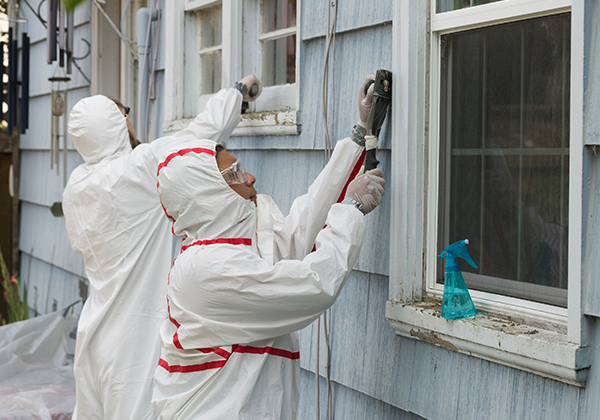
In recent years, the importance of maintaining a safe and healthy living environment has become increasingly recognized. Lead contamination, particularly in homes built before 1978, poses significant health risks, especially to young children and pregnant women. This has led to a growing demand for professional lead inspection services. If you are looking to find a trusted lead inspector near you, understanding the process and knowing what to look for in an inspector can be crucial. This article provides valuable insights into finding reliable lead inspection services and the factors to consider when making a choice.
Why Lead Inspection is Essential
Lead inspection is vital for ensuring that indoor environments are free from lead-based paint and other lead contaminants. Here are some reasons highlighting the importance of lead inspections:
- Health Protection: Lead exposure can lead to severe health issues, including cognitive impairments, developmental delays in children, and various other chronic health problems.
- Legal Compliance: Many jurisdictions have strict regulations regarding lead in residential properties, especially those used for rental purposes. Ensuring compliance can prevent legal complications.
- Property Value: A lead-free certification can significantly enhance the market value of a property, making it more attractive to potential buyers.
To understand more about the risks associated with lead exposure and its impact, read more about this topic.
Choosing a Lead Inspector
Qualifications and Certifications
A qualified lead inspector should possess the necessary certifications and qualifications to conduct a thorough inspection. When evaluating potential inspectors, consider the following:
- Certification: Ensure the inspector has certifications from recognized health or environmental organizations.
- Experience: An experienced inspector is likely to be more adept at identifying lead hazards.
- Training: Continuous education and training are crucial for staying updated on the latest lead safety protocols.
For further insights into the qualifications required for lead inspectors, find additional information here.
Inspection Process
Understanding the inspection process can help in setting expectations and ensuring thoroughness. A typical lead inspection process involves:
- Visual Assessment: The inspector will conduct a visual assessment to identify any potential lead hazards.
- Sample Collection: Dust, paint, and soil samples may be collected for laboratory analysis.
- Report Generation: A comprehensive report will be provided detailing the findings and recommended actions.
Explore further insights on the lead inspection process here.
Cost Considerations
While the cost of lead inspection services can vary, it is essential to understand the factors that influence pricing. These include:
- Property Size: Larger properties may require more time and resources, affecting the overall cost.
- Extent of Inspection: Comprehensive inspections that include multiple types of testing can be more expensive.
- Geographic Location: Costs can vary based on regional demand and the availability of qualified inspectors.
Learn more in this detailed guide about the cost implications of lead inspection services here.
Conclusion
Finding a trusted lead inspector near you is a critical step in ensuring the safety and compliance of your property. By considering the qualifications, experience, and inspection process, you can make an informed decision that protects both your health and investment. For anyone interested in further understanding lead inspection services, explore further insights here.