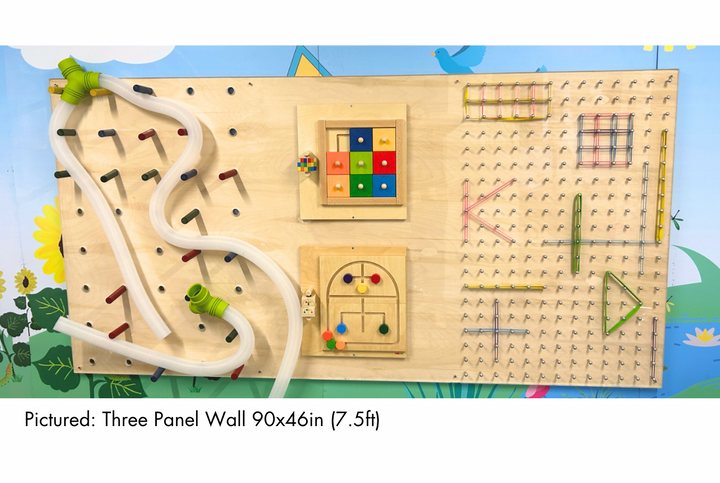
In today’s educational landscape, fostering an engaging and inclusive learning environment is vital for students’ overall development. Interactive sensory path panels have emerged as an innovative tool in schools, promoting active participation and sensory engagement among students. These panels, designed to stimulate various senses, offer a unique approach to learning that can benefit students of all ages and abilities. With the growing recognition of the need for diverse learning strategies, educational institutions are increasingly integrating sensory path panels into their curricula to enhance students’ learning experiences.
Understanding Sensory Path Panels
Sensory path panels are designed to create a structured pathway that students can follow, engaging in various sensory activities along the way. These panels are customized to suit the specific needs of a school or classroom, ensuring that they provide maximum benefit to the students. Typically, sensory path panels incorporate:
- Visual elements such as bright colors and interesting patterns to capture attention.
- Tactile features like textured surfaces or interactive components that invite touch and exploration.
- Auditory cues that may include sounds or music integrated into the path.
For more detailed information on customizing these engaging educational tools, find out more about this approach.
Benefits of Sensory Path Panels in Educational Settings
Enhancing Sensory Integration
The primary advantage of sensory path panels lies in their ability to aid sensory integration. By engaging multiple senses simultaneously, these paths help students process sensory information more effectively, which is crucial for their cognitive development. Moreover, sensory paths are inclusive, catering to diverse learning needs, including those of students with sensory processing disorders. Discover expert strategies here for integrating sensory panels in classrooms.
Promoting Physical Activity
Interactive sensory paths encourage movement and physical activity, which are essential components of a healthy lifestyle. By incorporating activities that involve jumping, balancing, and stretching, these paths enable students to burn energy while learning. This active form of learning helps improve concentration and focus, allowing students to absorb information more effectively.
Fostering Social Skills
Sensory paths can also facilitate social interaction among students. As they navigate the path together, students learn to communicate, collaborate, and support one another, fostering a sense of community and teamwork. This collaborative aspect of sensory paths is particularly beneficial in developing social skills in younger students.
Implementing Sensory Path Panels in Schools
To effectively implement sensory path panels, schools need to consider several factors:
- Customization: Tailoring the path to meet the specific needs of the student population is crucial. This may involve selecting particular sensory elements that align with the school’s educational goals.
- Training: Educators and staff should be trained on how to guide students through the sensory paths effectively. Learn about our tailored solutions to equip staff with necessary skills.
- Feedback and Evaluation: Regular feedback from students and teachers can help in assessing the effectiveness of the sensory paths and making necessary adjustments.
For a comprehensive guide on implementing these strategies, explore advanced guides and tips.
Conclusion
Interactive sensory path panels represent a forward-thinking approach to education, one that embraces the diversity of learning styles and needs. By integrating these panels into school environments, educators can create a dynamic and inclusive learning experience that supports the development of essential skills. As schools continue to seek innovative solutions to enhance student engagement, sensory path panels stand out as a valuable tool in promoting interactive and effective learning.