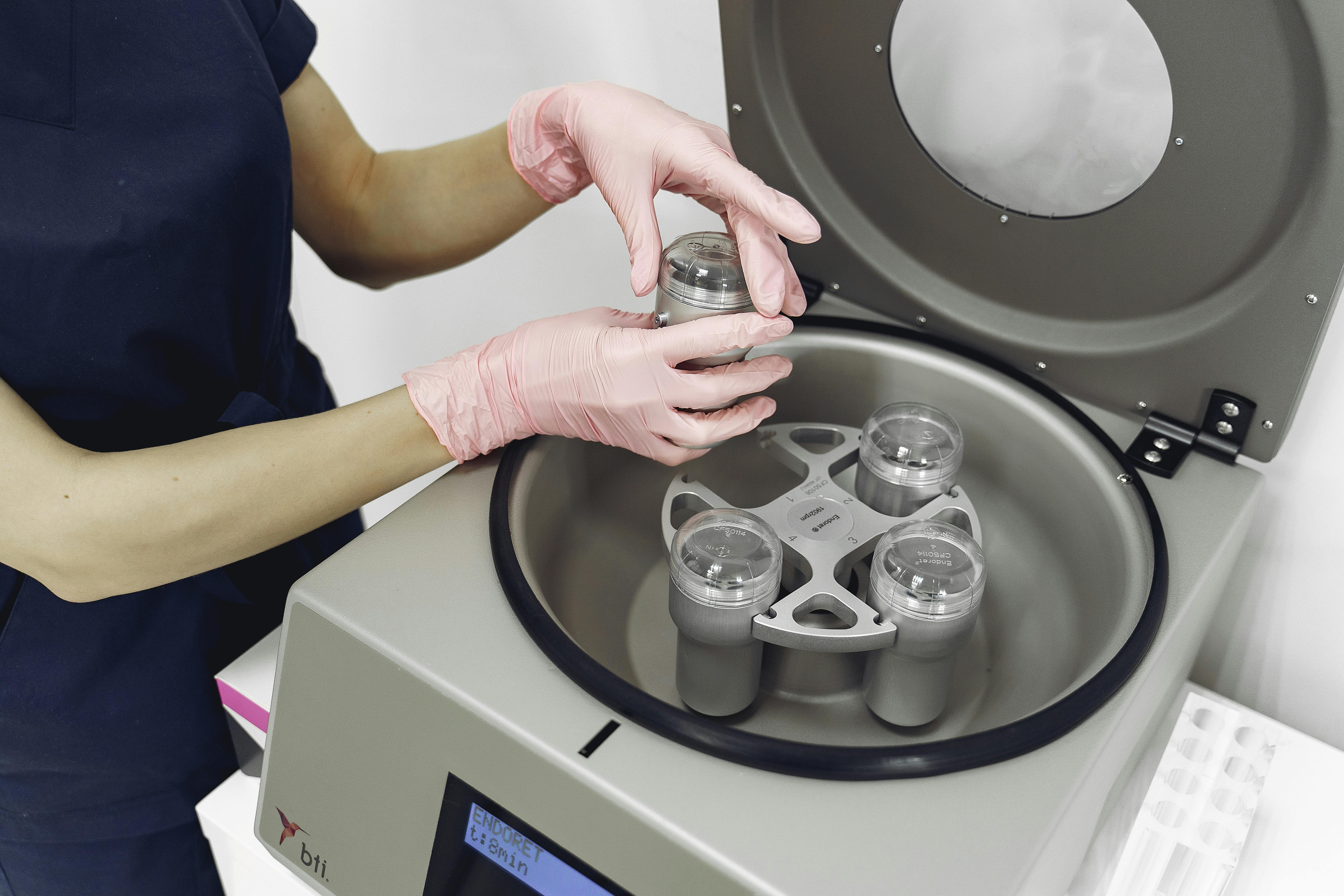
In the fast-evolving world of healthcare, the role of medical laboratories becomes increasingly pivotal. These laboratories not only provide essential diagnostic services but also pave the way for innovative research and development. A leading medical laboratory service provider operates at the intersection of technology and healthcare, delivering precise and reliable results that support clinical decision-making. The integration of cutting-edge technology, dedicated expertise, and a commitment to accuracy helps ensure that healthcare providers and patients receive the best possible diagnostic services. For those interested in a detailed understanding of how these services are structured to meet diverse needs, explore advanced guides and tips.
Comprehensive Diagnostic Services
Medical laboratory services encompass a wide range of diagnostic tests and procedures designed to detect, diagnose, and monitor diseases. These services are crucial for:
- Blood and urine analysis to assess overall health.
- Genetic testing for predispositions to certain conditions.
- Pathology services for cancer diagnosis and management.
- Microbiological testing for infectious diseases.
- Advanced imaging for accurate internal assessments.
By offering these diverse services, laboratories enable healthcare providers to make informed decisions. For a deeper dive into specific diagnostic services and the technology behind them, discover expert strategies here.
Innovative Technology Integration
The integration of technology in medical laboratories is revolutionizing diagnostic accuracy and efficiency. Key technological advancements include:
Automated Systems
Automated laboratory systems enhance the speed and accuracy of tests. These systems reduce human error and streamline processes, ensuring quick turnaround times for critical results. For an overview of how automation is reshaping laboratory services, find out more about this approach.
Data Management Solutions
Robust data management solutions are essential for handling large volumes of patient data securely and efficiently. These solutions facilitate seamless information exchange between laboratories and healthcare providers, enhancing patient care. For insights into effective data management strategies, learn about our tailored solutions.
Commitment to Quality and Compliance
Quality assurance and regulatory compliance are fundamental to laboratory operations. Adhering to strict standards ensures reliable test outcomes and patient safety. Key aspects include:
- Regular proficiency testing to maintain high standards.
- Accreditation by recognized bodies to validate service quality.
- Continuous staff training to stay updated with industry advancements.
Staying compliant with regulations not only builds trust but also enhances the credibility of laboratory services. For more information on compliance and quality assurance practices, explore advanced guides and tips.
Research and Development Initiatives
In the realm of medical laboratories, research and development (R&D) play a crucial role in advancing healthcare. R&D efforts focus on:
- Exploring innovative diagnostic techniques.
- Developing new testing methodologies.
- Enhancing existing processes for better outcomes.
These initiatives lead to breakthroughs that can significantly impact patient care and treatment outcomes. For those interested in the latest R&D projects and their implications, find out more about this approach.
Conclusion
Medical laboratory services are integral to modern healthcare, providing essential data that informs treatment and care strategies. With a focus on innovation, technology, and quality, leading laboratories continue to enhance their offerings to meet the growing demands of the healthcare sector. For a comprehensive look at these services, learn about our tailored solutions and how they can benefit healthcare providers and patients alike.