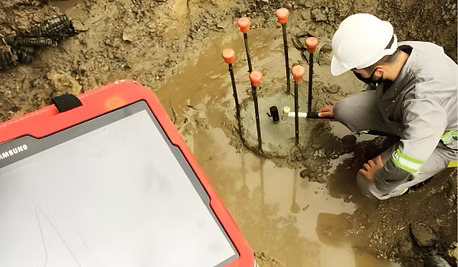
Pile integrity testing is a crucial aspect of construction, ensuring the soundness and reliability of deep foundations. Among various methods, low strain pile integrity tests have gained prominence due to their non-invasive nature and cost-effectiveness. These tests are indispensable in identifying potential issues that could compromise structural stability, such as voids, cracks, or changes in pile cross-section. Understanding how to maximize efficiency with these tests can significantly impact project timelines and budgets, making them an invaluable tool for engineers and construction professionals.
The Importance of Low Strain Pile Integrity Tests
Low strain pile integrity tests are essential for assessing the condition of piles during and after construction. These tests provide valuable insights without causing any damage to the structure. Here”?s why they are important:
- Non-destructive Testing: Unlike other methods, low strain tests do not harm the pile, preserving its integrity while still providing comprehensive data.
- Cost-Effectiveness: These tests are relatively inexpensive compared to other methods, offering a budget-friendly option for ensuring the quality of construction.
- Quick Implementation: Low strain testing is efficient and can be executed rapidly, minimizing disruptions to ongoing construction activities.
- Versatility: Applicable to different pile types and sizes, these tests offer flexibility for various construction projects.
For more detailed insights on the significance of these tests, explore advanced guides and tips.
Conducting Low Strain Pile Integrity Tests
Executing these tests effectively involves several critical steps, each aimed at ensuring accurate results. The process typically includes:
Preparation and Planning
- Site Assessment: Evaluate site conditions to determine the appropriate testing parameters.
- Equipment Selection: Choose the right tools and equipment based on pile specifications and site requirements.
- Test Design: Develop a comprehensive test plan, outlining objectives, test procedures, and safety protocols.
To design effective test plans, discover expert strategies here.
Execution of Tests
- Data Collection: Utilize sensors and software to gather wave data from the piles.
- Data Analysis: Analyze wave reflections to identify anomalies within the pile structure.
- Report Generation: Compile findings into comprehensive reports for further assessment and decision-making.
For more on executing these tests efficiently, learn about tailored solutions.
Maximizing Efficiency in Testing
Maximizing efficiency in low strain pile integrity tests involves optimizing every stage of the process. Consider the following strategies:
Utilizing Advanced Technology
- Innovative Software: Use cutting-edge software for precise data analysis and visualization.
- Automated Systems: Implement automated systems to enhance data collection speed and accuracy.
To explore more about leveraging technology, find out more about this approach.
Team Expertise and Training
- Professional Training: Ensure that all team members are adequately trained in the latest testing techniques.
- Continuous Learning: Encourage ongoing education to stay updated with advancements in testing methodologies.
Ensuring your team is well-prepared is crucial. Discover expert strategies here to enhance team capabilities.
Conclusion
Low strain pile integrity tests are a vital component of modern construction, offering an efficient and reliable way to ensure the durability and safety of deep foundations. By understanding and implementing best practices, professionals can maximize the benefits of these tests, ultimately leading to safer and more cost-effective construction projects. For those seeking to deepen their understanding and application of these techniques, numerous resources and expert advice are available. Explore advanced guides and tips to stay ahead in the field of pile integrity testing.