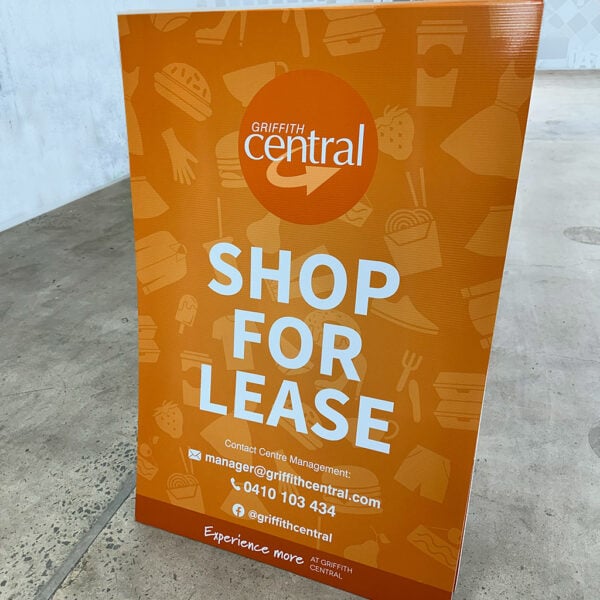
In the bustling world of retail, where first impressions are crucial, effective shop signage can play a pivotal role in attracting customers and enhancing brand identity. With the myriad of options available, designing signage that not only captures attention but also conveys a meaningful message is an art in itself. This article delves into the elements of effective retail shop signage and how it can be used to attract customers with style.
The Importance of Retail Signage
Retail signage serves as a silent salesperson for any store. It provides essential information to potential customers and can significantly influence their decision to enter the shop. Here are some key reasons why signage is important:
- Attract Attention: Eye-catching signage can attract passersby and draw them into the store.
- Communicate Brand Identity: A well-designed sign reflects the brand’s identity and values.
- Provide Information: Signage can offer crucial information such as store hours, promotions, or new arrivals.
- Enhance Customer Experience: Clear and informative signage can improve the overall shopping experience by guiding customers through the store.
For those interested in exploring further insights into the significance of signage in retail, find additional information here.
Design Elements of Effective Signage
Creating a sign that effectively communicates with potential customers involves several design elements. These elements work together to ensure the sign is not only attractive but also functional.
Color and Contrast
Color plays a vital role in the visibility and attractiveness of signage. High contrast between the text and background enhances readability. Bright colors can catch the eye, but it’s essential to maintain a balance to avoid overwhelming the viewer.
Typography
The choice of font can significantly impact the message’s clarity. It’s crucial to select a font that is legible from a distance while also aligning with the brand’s identity. Simple, sans-serif fonts are often recommended for their clarity.
Size and Placement
The size of the sign and its placement are critical for visibility. Larger signs can be seen from a distance, making them ideal for attracting attention from afar. The placement should ensure that the sign is visible and not obstructed by other objects.
Message and Content
The content of the sign should be concise and to the point. Overloading a sign with information can make it difficult to read and understand quickly. A catchy slogan or a simple message can be more effective.
To learn more about the design principles of effective signage, read more about this topic.
Types of Retail Signage
Different types of signage can serve various purposes in a retail environment. Each type has its unique role and benefits.
- Outdoor Signs: Used to draw in customers from the street, these can include banners, window displays, and A-frame signs.
- Indoor Signs: These guide customers within the store and can include directional signs, promotional signage, and informational displays.
- Digital Signage: Utilizing screens and digital displays, this type of signage can be dynamic and easily updated to reflect current promotions and events.
Explore further insights on the types and uses of retail signage here.
Conclusion
Retail shop signage is an essential tool for attracting customers and communicating effectively. With the right design elements and strategic placement, signage can significantly enhance a store’s appeal and convey its brand message. Retailers should consider the various types of signage available and how they can be utilized to meet their specific needs. For those seeking more detailed guidance on creating effective retail signage, explore further insights here.