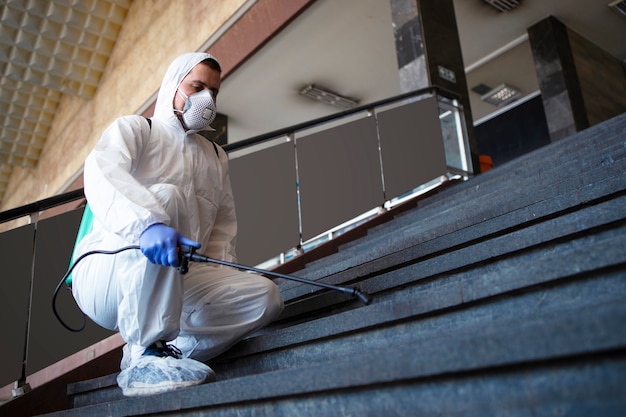
Termites, often referred to as “silent destroyers,” can cause significant damage to structures if left unchecked. The installation of a professional termite barrier is a crucial measure to protect homes and buildings from these destructive pests. However, understanding the cost involved in such an installation is essential for property owners. The price can vary based on several factors, including the size of the property, the type of barrier used, and the location. This article delves into these factors, offering insights into the cost-effective strategies for termite barrier installations.
Factors Influencing the Cost of Termite Barrier Installation
When considering the cost of termite barrier installation, several critical factors come into play. Here are the primary elements that influence pricing:
- Property Size: Larger properties naturally require more materials and labor, increasing the installation cost.
- Type of Barrier: Different types of barriers, such as chemical and physical barriers, have distinct costs associated with them. Chemical barriers might be less expensive initially but could require periodic reapplication.
- Location: The geographic location can impact costs due to differences in local labor rates and the prevalence of termites in the area.
- Complexity of Installation: Properties with complex layouts or existing damage may require more intricate installations, thus increasing costs.
For a comprehensive understanding of these factors and their impact on your specific situation, discover expert strategies here.
Types of Termite Barriers and Their Costs
Chemical Barriers
Chemical barriers involve applying a liquid pesticide around the perimeter of the property to create a protective zone. The cost typically depends on:
- The type and brand of chemical used.
- The concentration required for effective protection.
While chemical barriers may require ongoing maintenance, they are effective in repelling termites and can be a cost-effective solution in certain scenarios. Learn about our tailored solutions for chemical barriers.
Physical Barriers
Physical barriers involve placing materials such as metal sheeting or sand around the foundation of a building to prevent termite entry. These barriers are typically more expensive than chemical options but offer long-term protection without the need for reapplication. The cost can vary based on:
- The materials used (e.g., stainless steel mesh, crushed granite).
- The complexity of installation around existing structures.
For those seeking durable, long-term solutions, explore advanced guides and tips related to physical barriers.
Long-Term Savings and Benefits
Although the initial cost of installing a termite barrier might seem high, the long-term savings and benefits can be substantial. A professional installation can prevent costly repairs associated with termite damage. Moreover, it can increase the resale value of a property by ensuring it is protected against infestations.
Investing in a termite barrier is not just about immediate costs but also about safeguarding your property for the future. Find out more about this approach and how it can serve as a valuable investment.
Conclusion
In conclusion, while the cost of termite barrier installation can vary widely based on numerous factors, understanding these elements can help property owners make informed decisions. By considering the size of the property, type of barrier, and long-term benefits, homeowners can choose the most effective and economical solution for termite protection. For more detailed information and expert advice, discover expert strategies here.