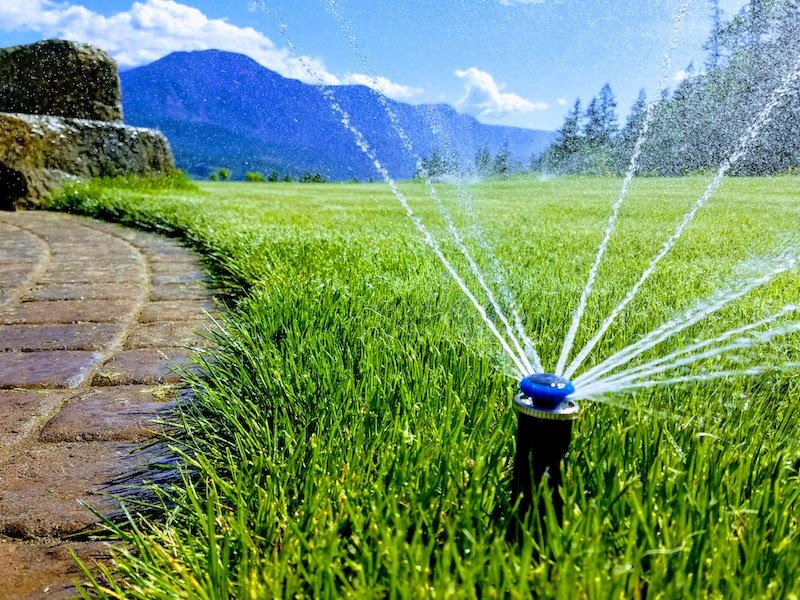
Transforming your yard into a lush, vibrant space can be a rewarding endeavor, especially when utilizing innovative technology. A smart irrigation system serves as a pivotal element in achieving a flourishing landscape. By integrating such technology, one can maintain the aesthetic appeal and health of a yard while conserving water and reducing costs. As sustainability becomes increasingly important, the adoption of smart irrigation systems is not only a trend but a necessity for conscientious homeowners. This article will explore the benefits, installation process, and tips for choosing the right system.
Understanding Smart Irrigation Systems
Smart irrigation systems utilize advanced technology to automate and optimize watering schedules. These systems adjust based on weather conditions, soil moisture, and plant requirements, ensuring efficient water usage.
- Weather-based systems use sensors and weather data to adjust watering schedules, minimizing water wastage.
- Soil moisture sensors provide real-time data, allowing systems to water only when necessary.
- Remote access and control provide convenience and flexibility through smartphone apps.
Discover expert strategies for implementing these technologies here, ensuring a seamless transition to a more efficient watering system.
Benefits of Smart Irrigation Systems
Water Conservation
One of the most significant advantages of smart irrigation systems is water conservation. These systems reduce water usage by up to 50% compared to traditional systems. By delivering water precisely when and where it’s needed, they promote sustainability and environmental responsibility.
Cost Efficiency
Smart irrigation systems can lead to substantial savings on water bills. By avoiding overwatering and minimizing waste, homeowners can see a noticeable reduction in their monthly expenses. Learn about tailored solutions that can optimize your water usage here.
Improved Plant Health
The precise watering provided by smart systems ensures that plants receive the optimal amount of water. This promotes healthier growth, reduces the risk of disease, and enhances the overall appearance of the landscape.
Steps for Installation
Installing a smart irrigation system involves several key steps to ensure effective setup and operation. Expert guidance can help navigate this process smoothly.
- Site Assessment: Evaluate the yard’s layout, plant types, and sun exposure to determine the system’s requirements.
- System Design: Develop a plan that outlines the placement of sensors, controllers, and sprinklers to maximize efficiency.
- Installation: Follow best practices for installing components and integrating them into existing water lines.
- Testing and Calibration: After installation, test the system to ensure all components are functioning correctly and adjust settings as necessary.
Explore advanced guides and tips to streamline the installation process here.
Choosing the Right System
Selecting the ideal smart irrigation system depends on several factors, including the size of the yard, types of plants, and budget considerations. It’s crucial to choose a system that aligns with specific landscape needs.
- Consider systems with scalability options to accommodate future landscape changes.
- Look for compatibility with existing smart home devices for seamless integration.
- Evaluate different brands and models based on features, ease of use, and customer reviews.
Find out more about this approach to selecting the right system for your landscape here.
In conclusion, a smart irrigation system is a wise investment for any homeowner looking to enhance their outdoor space. By conserving water, reducing costs, and promoting plant health, these systems offer numerous benefits that align with modern sustainability goals. The integration of technology in landscape management not only simplifies maintenance but also contributes to the long-term health and beauty of a yard.