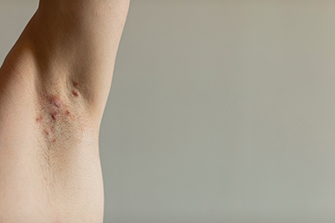
Hidradenitis Suppurativa (HS) is a chronic skin condition that significantly impacts the quality of life for those affected. Characterized by painful lumps and potential scarring, it often leads to both physical and emotional distress. Recent studies have begun to shed light on the underlying mechanisms of HS, opening new avenues for treatment and management. These insights are crucial for developing strategies that can effectively address the unique challenges posed by this condition.
Understanding Hidradenitis Suppurativa
Hidradenitis Suppurativa is more than just a skin disorder; it is a complex condition that involves the immune system and can have systemic implications. Its etiology is not entirely understood, but recent research has identified several contributing factors:
- Genetic Predisposition: Evidence suggests that genetics play a significant role, with many patients having a family history of HS.
- Hormonal Influences: Hormonal changes, particularly during puberty, may trigger or exacerbate the condition.
- Immune System Dysfunction: An overactive immune response is believed to contribute to the inflammation and lesions typical of HS.
For those interested in a deeper dive into these aspects, discover expert strategies here.
Recent Advances in Hidradenitis Suppurativa Research
Innovative research is crucial for advancing understanding and treatment of HS. Key areas of recent study include:
Biological Treatments
Biologic drugs, which target specific parts of the immune system, are showing promise in treating HS. These treatments aim to reduce inflammation and prevent new lesions from forming. Explore advanced guides and tips on how these biologics are integrated into patient care.
Genetic Research
Understanding the genetic factors associated with HS can lead to personalized treatment approaches. Researchers are using genome-wide association studies to uncover genetic markers that may predict disease severity and response to treatment. Learn about our tailored solutions for managing HS through genetic insights.
Impact on Patient Quality of Life
HS affects more than just the skin; it can have profound effects on mental health and overall wellbeing. Patients often face:
- Psychological Distress: The chronic nature of HS and its visibility can lead to anxiety, depression, and social withdrawal.
- Physical Discomfort: Painful lesions can hinder daily activities and reduce mobility.
- Social and Professional Challenges: The visible symptoms of HS can affect personal relationships and professional opportunities.
Addressing these quality of life issues is as important as treating the physical symptoms. For more on comprehensive care approaches, find out more about this approach.
Future Directions in HS Research
Looking ahead, ongoing research aims to refine existing treatments and discover new therapeutic targets. Areas of focus include:
- Improved Diagnostic Tools: Developing better diagnostic criteria to identify HS early and accurately.
- Novel Therapeutic Targets: Investigating new molecules and pathways involved in the pathogenesis of HS.
- Patient-Centered Care Models: Designing care plans that address the holistic needs of patients, incorporating both medical and psychological support.
As research progresses, the hope is to transform the management of HS, offering patients more effective and personalized care options. For ongoing updates and research findings, explore advanced guides and tips.
The journey towards understanding and effectively treating Hidradenitis Suppurativa is ongoing. By building on the insights gained from recent studies, the future holds promise for improved outcomes and enhanced quality of life for those affected by this challenging condition.