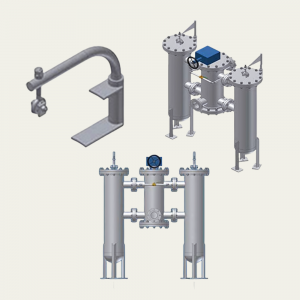
In the world of industrial filtration, the choice of the right strainer is crucial for maintaining system efficiency and reliability. Among the various strainer designs, conical strainers have emerged as a popular choice due to their unique advantages. These strainers, often used in pipelines to remove debris and protect sensitive equipment, offer several benefits that make them indispensable in many filtration systems.
Understanding Conical Strainers
Conical strainers, also known as temporary strainers, are a type of filter used primarily during the startup of a system. They are inserted into a pipeline to trap debris and prevent it from passing through to more sensitive components. The conical shape offers several distinct advantages over traditional strainer designs, making them a preferred choice in various applications.
Key Advantages
- Versatile Design: The conical shape of these strainers allows for a larger filtration area compared to flat or basket strainers. This increased surface area can handle higher flow rates and capture more debris without causing significant pressure drops.
- Ease of Installation: Conical strainers are easy to install and remove, which is particularly beneficial during the commissioning phase of a project. Their straightforward design makes them ideal for temporary applications where quick and efficient installation is required.
- Cost-Effective Solution: As a temporary measure, conical strainers are typically more affordable than permanent filtration solutions. They provide an economical way to protect expensive equipment during initial system startups.
- Customizable Options: These strainers can be customized to suit specific application needs. Material selection, mesh size, and dimensions can be tailored to meet different pipeline requirements. Learn about our tailored solutions.
Applications of Conical Strainers
Conical strainers are employed in a wide range of industries, each utilizing their unique benefits to address specific challenges. Common applications include:
- Oil and Gas Industry: Used to protect pumps, compressors, and other sensitive equipment during the commissioning of pipelines and processing plants.
- Water Treatment Facilities: Installed to remove large debris during the initial stages of water treatment, ensuring that downstream processes are not disrupted.
- Chemical Processing: Essential in the startup phase of chemical plants to prevent contaminants from damaging reactors and other critical components. Discover expert strategies here.
Maintenance and Best Practices
While conical strainers are generally low-maintenance, following best practices ensures their optimal performance and longevity. Regular inspection and cleaning are crucial, especially in systems with high debris loads. Here are some maintenance tips:
- Scheduled Inspections: Conduct routine checks to identify any clogging or damage. Early detection of issues can prevent costly downtime.
- Proper Cleaning: If a strainer becomes clogged, it should be thoroughly cleaned to restore full functionality. Ensure that the cleaning process does not damage the mesh or alter the strainer’s shape.
- Replacement Guidelines: Temporary strainers should be replaced after they have served their initial purpose. Continued use beyond their intended lifespan can lead to inefficiencies and potential system failures. Find out more about this approach.
Conclusion
Conical strainers play a vital role in the effective filtration of industrial systems, providing a reliable and cost-effective solution for protecting sensitive equipment during initial operations. Their versatile design, ease of installation, and customizable options make them an invaluable asset across various industries. By understanding the advantages and best practices associated with these strainers, industries can ensure the longevity and efficiency of their filtration systems. Whether you are in the oil and gas sector, chemical processing, or water treatment, explore advanced guides and tips to optimize your filtration strategy.