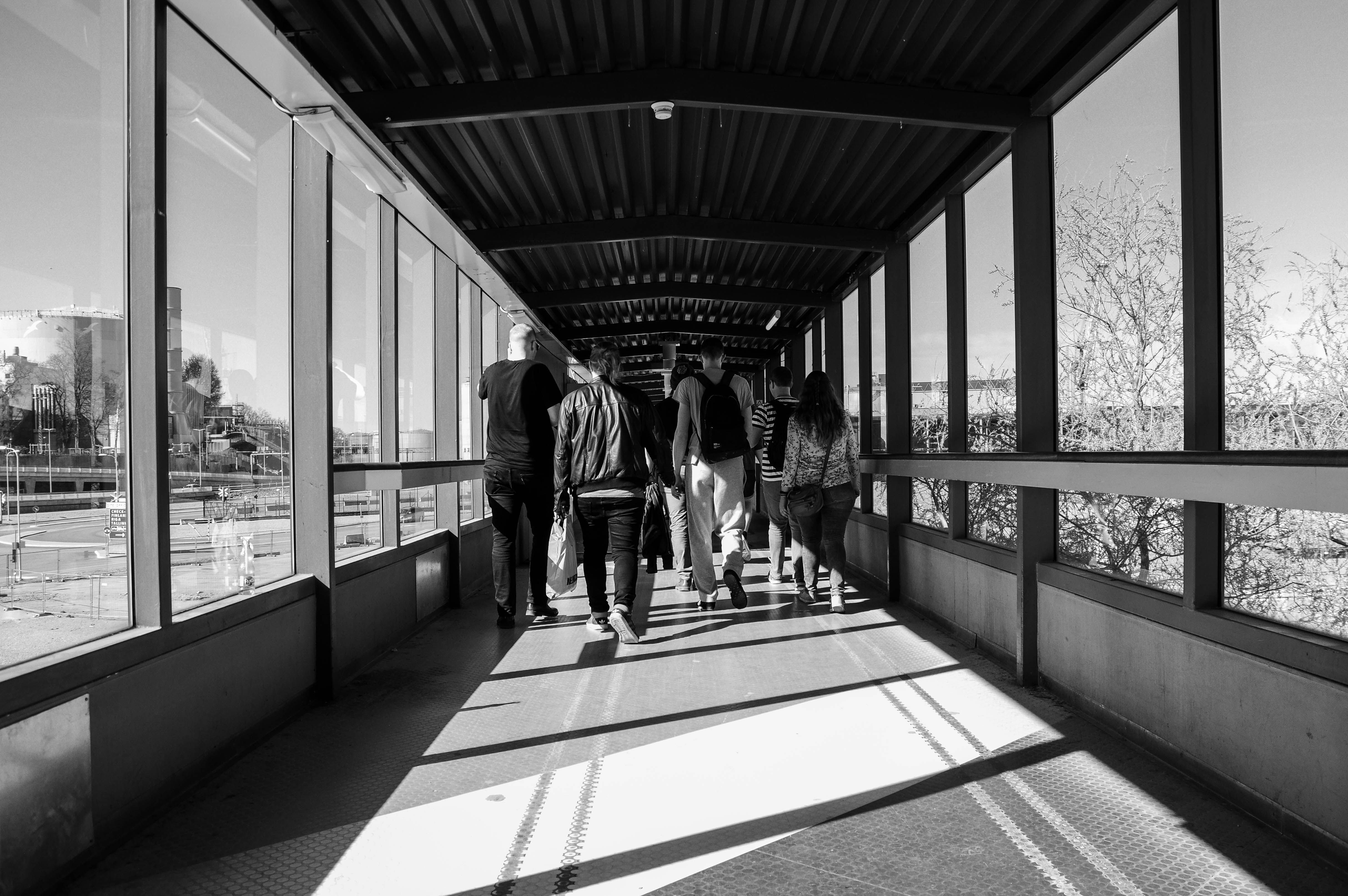
In the ever-evolving landscape of educational facilities, ensuring the safety and comfort of students and staff is paramount. One often overlooked but highly effective strategy for enhancing school infrastructure is the implementation of covered walkways. These structures not only provide practical benefits but also contribute significantly to the overall aesthetic and functional value of a school campus. By offering protection from the elements, covered walkways ensure that students and faculty can move between buildings comfortably, regardless of weather conditions. Moreover, they contribute to a more organized and visually appealing environment.
Enhanced Safety and Comfort
Covered walkways serve as a vital component in safeguarding students and staff from harsh weather conditions such as rain, snow, and intense sunlight. This protection is crucial for minimizing slip and fall accidents, which are common in wet conditions. Additionally, these walkways provide a shield against harmful UV rays, promoting the health and well-being of everyone on campus. Discover expert strategies here on enhancing school safety with covered walkways.
Key Safety Benefits:
- Reduces slip and fall accidents in wet weather.
- Protects against harmful UV exposure.
- Provides a safer route during inclement weather conditions.
Improved Aesthetic and Functional Value
Beyond safety, covered walkways add a distinct aesthetic appeal to school grounds. They can be designed to complement the architectural style of existing buildings, enhancing the overall look of the campus. Functionally, these pathways create a cohesive flow between buildings, making it easier for students to navigate from one class to another. Learn about our tailored solutions for integrating covered walkways into school designs.
Functional and Aesthetic Enhancements:
- Creates a visually cohesive campus environment.
- Facilitates smooth movement between buildings.
- Offers design flexibility to match existing architecture.
Cost-Effectiveness and Sustainability
Investing in covered walkways is not only a practical decision but also an economic one. These structures are cost-effective to install and maintain, providing long-term savings for educational institutions. Additionally, modern materials and construction methods allow for sustainable building practices, minimizing environmental impact. Explore advanced guides and tips on sustainable walkway construction.
Economic and Environmental Advantages:
- Low maintenance costs over time.
- Potential for sustainable construction materials.
- Long-term savings on repairs and replacements.
Flexibility and Customization
Covered walkways offer unparalleled flexibility and customization options to suit the specific needs of any educational institution. Whether the school requires a specific design to match its branding or unique structural features to accommodate a particular layout, covered walkways can be tailored to meet these demands. Find out more about this approach to customizing walkways for school environments.
Customization Options Include:
- Variety of materials and finishes to choose from.
- Designs that align with school architecture and branding.
- Adaptability to different campus layouts and requirements.
In conclusion, the integration of covered walkways into school campuses offers a multitude of benefits that extend beyond mere functionality. They enhance safety, improve aesthetics, and provide cost-effective and sustainable solutions, all while offering the flexibility to meet diverse school needs. By considering the implementation of covered walkways, educational institutions can significantly improve their infrastructure and provide a safer, more pleasant environment for all. For further insights and detailed information on how to implement these structures, explore advanced guides and tips.